The psychological toll of waiting, and how to find a way through it.
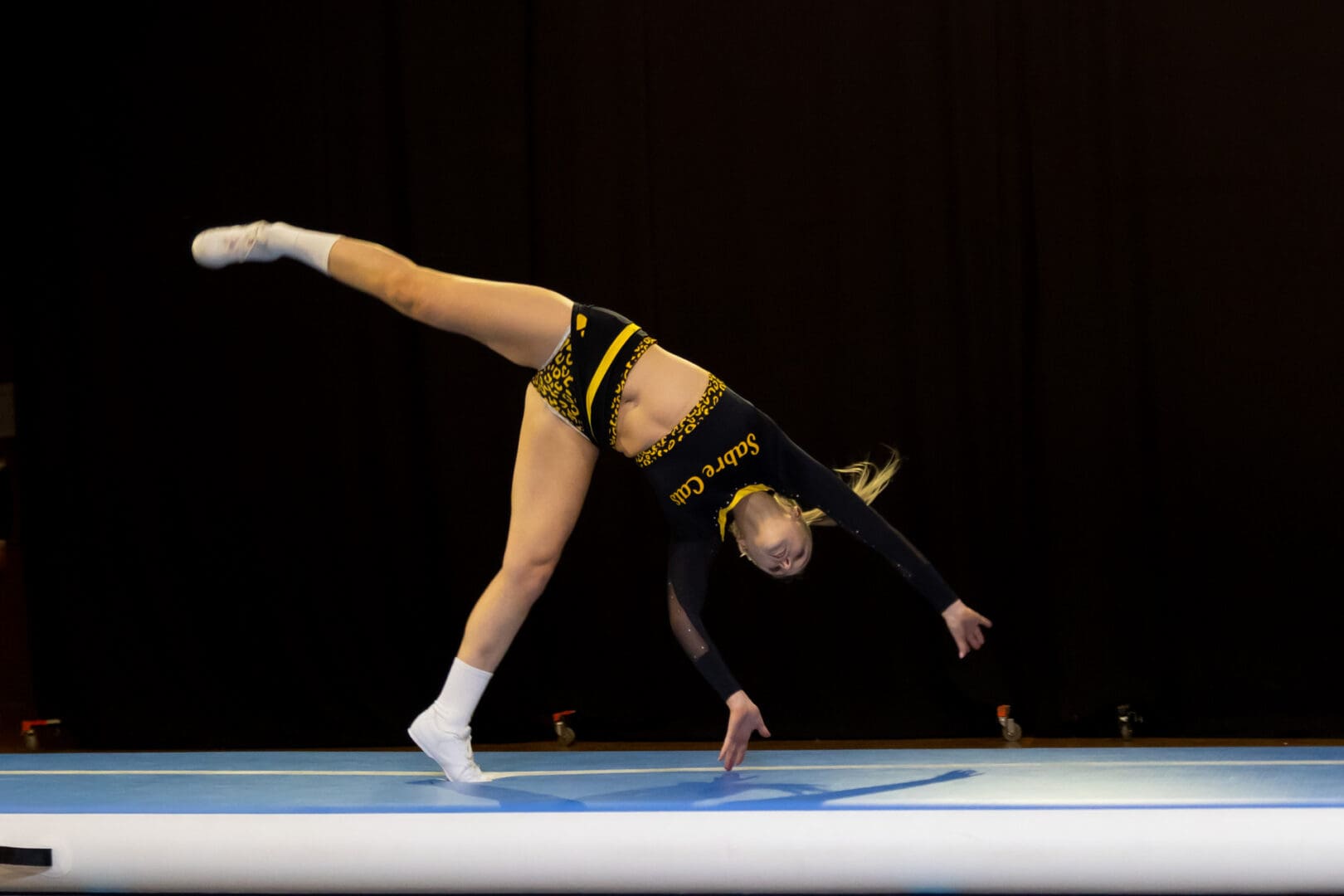
The injury itself took a fraction of a second. One landing, slightly off, during a tumbling session. As Nicole Read hit the floor, she already knew.
“Something’s torn,” she said out loud.
Then she straightened her leg, and heard the pop.
What followed wasn’t the dramatic arc of injury and recovery that sports stories usually tell. There was no surgery date circled on the calendar, no countdown to the moment she could train again.
Instead, there was something much harder to write about: the waiting. Months and months of it.
Read had torn her ACL and meniscus completely, with an MCL sprain thrown in for good measure. At 22, she was told she’d be looking at a three year wait for surgery on the NHS.
“I was thinking, you’re f*ckng joking,” she says, laughing now, two weeks post-op and propped up on crutches.
“I’ve got friends who’ve done it. They’ve never waited three years.”

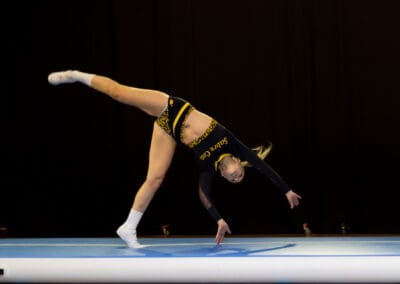
Read had been staying after a coaching session to practice her tumbles ahead of tryouts for a World Championship level cheerleading team the following week. But one wonky dismount from a full-twisting back somersault, and her immediate future collapsed with her.
She sat in minor injuries for four hours while the May bank holiday meant the specialist knee clinic was closed – pushing her first real assessment back by almost two weeks.
When she finally got her MRI results in July, she already knew from the fact they’d asked her to come in rather than just calling. The consultant in Sheffield confirmed it: ACL gone, meniscus gone, MCL sprained. Three-year wait.
But by July, she’d already been offered a graduate job. She was moving; first to Cambridge, then the referral switched to Nottingham, closer to home for when the surgery actually came. She somehow began to make peace with a situation entirely out of her control.
Here is what nobody tells you about waiting for ACL surgery: the injury stops hurting long before it stops mattering.
Within a month or so, the pain had mostly settled. Read was walking without crutches. She was going back to the gym. From the outside, nothing was obviously wrong, but inside – and in her left leg – everything was unresolved.
“You know in your head that you’re making progress, getting stronger,” she says. “But then I’m gonna have the surgery and I’m gonna have to start again. There were definitely days where I was like, ‘what is the point?’”
This is no man’s land: functional enough to feel normal, injured enough to know you’re not. Unable to return to sport, unable to move forward, just…waiting. Ringing the hospital. Being told you’ll hear by the end of the week. Not hearing. Ringing again. The waiting list coordinator knowing her voice before she even said her name.
The emotional complexity of this period is hard to map neatly. Grief is there; she missed tumbling, missed cheer, missed the friends she makes through sport. But also, strangely, relief. Starting a new life in a new city meant she didn’t know what she was missing out on. Just a blank slate, and a knee to strengthen.
“I don’t know what I’m missing,” she says. “And I think that’s actually been the best part about it.”
If there’s one thing Read wants other athletes in the same position to understand, it’s this: the waiting period is not wasted time. It is, if you use it right, part of the recovery.
She committed to what’s known as prehabilitation: building strength in the injured leg before surgery, so the body has a better platform to recover from. The exercises felt pointless at first. Progress was invisible. Weeks went by where her bad leg looked visibly smaller than her good one, when she felt fragile and uncertain.
But she kept at it. By the time her surgery date finally arrived – almost 12 months to the day after her injury – she could match her pre-injury gym weights on most exercises. She could lift her leg after waking up from surgery. She could bend and straighten it the same day.
“I could already tell the difference,” she says. “I know there are people who haven’t had the chance to do the prehab, or didn’t have time to because their surgery came sooner. And they really struggle in those first few days.”
She’d also found a private physio near her in Cambridge – not to replace the NHS care, but to get an extra pair of eyes. The physio noticed a slight delay in her gait on her bad side, something she wouldn’t have spotted herself.
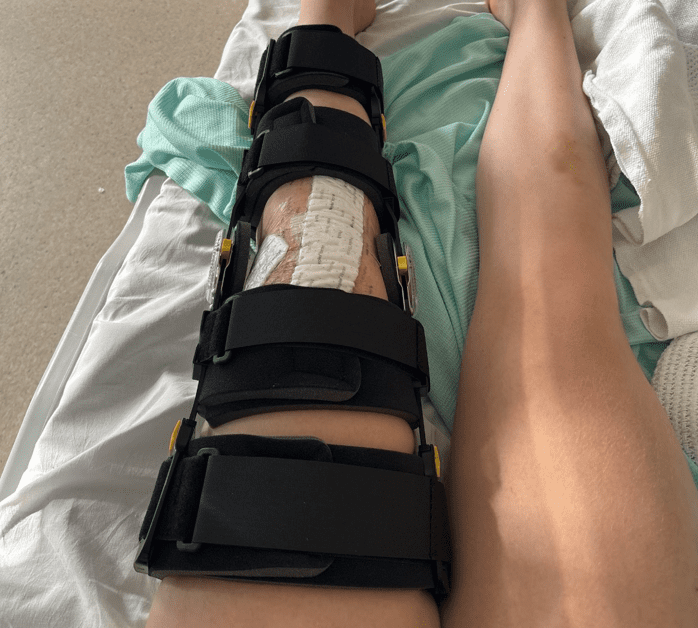
Her surgery date finally came through with 13 days notice – a call she’d been chasing for months, from a coordinator who by that point greeted her by name. She describes feeling excited when the date finally landed.
“Which seems weird,” she says. “To be excited to have a surgery and not be able to walk. But it meant that the waiting stage was finally done.”
Read is, by her own description, quite an independent person. She got on with it. She coloured in. She went for walks. She watched Modern Family. She started a new job. She kept ringing – and ringing – the hospital. She made the best of it.
What would she say to someone at the very beginning? Stood in a minor injuries unit with a fresh pair of crutches and no idea what the next year was going to look like.
“Allow yourself to be upset,” she says. “It’s a big deal, especially at this age. You’re missing out on things that matter to you. But once you get through that – stick at the prehab.
“Even when it feels pointless. Even when you feel like you’re going to have to start again anyway. Because you’re not, not really. You’re building something.”
Read is looking at her first physio appointment this week. She is hoping they tell her the bend looks good. That the graft is settling. That she is on track.
She’s looking ahead to May next year now. Tryout season. A full circle she’s been working towards for two years by then.
“I want to have the choice,” she says. “I want it to be me deciding whether I go back – not the injury deciding for me.”