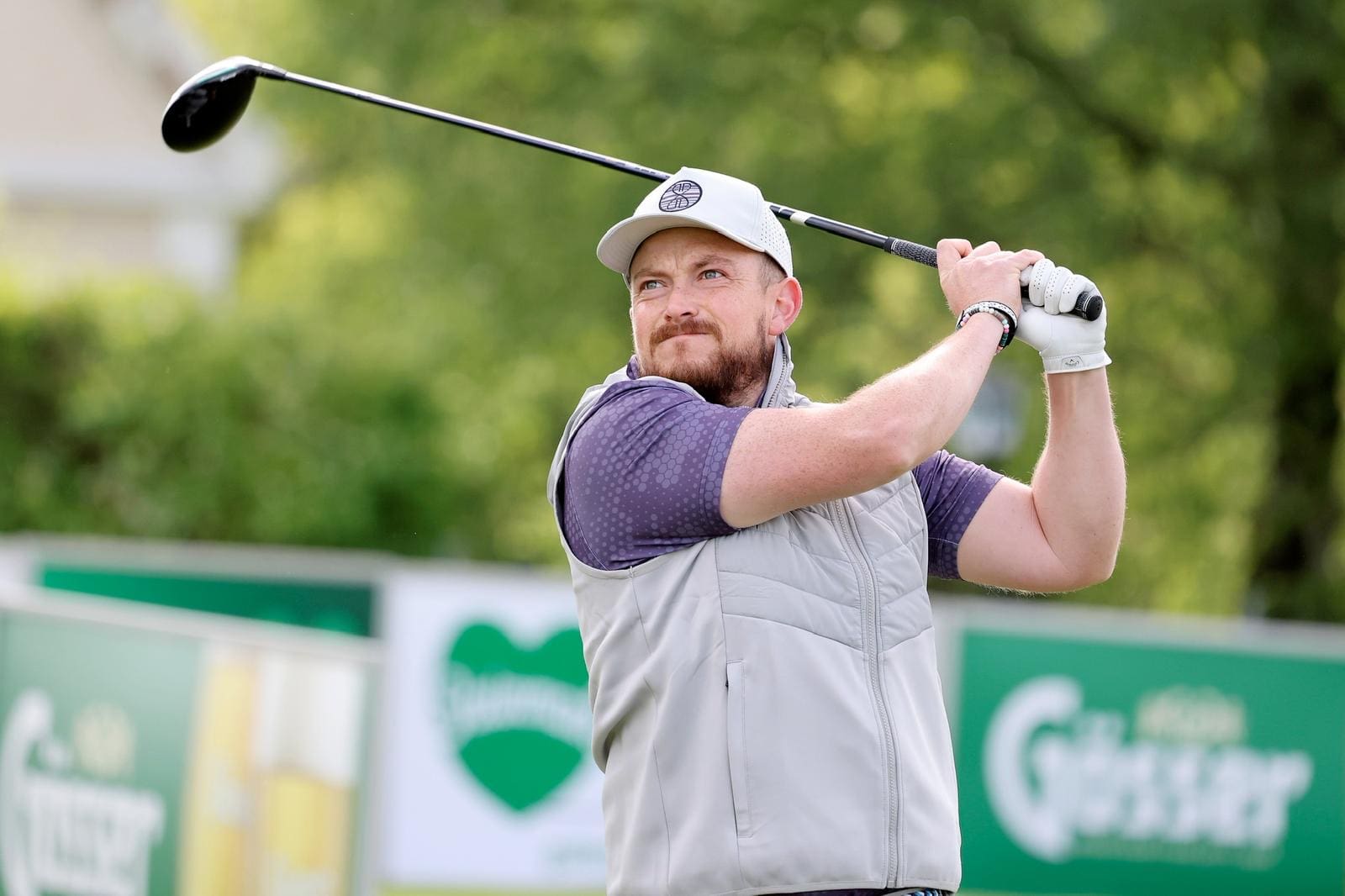
Three years after a horrific motorway crash that nearly killed him, aspiring pro golfer Marcus Mohr is back on tour – defying doctors, beating PTSD, and proving no setback is too great.
On the 11th December 2022, Marcus Mohr’s mother picked him up from Gatwick Airport. Driving along a frozen M56, their car hit black ice and suddenly jolted left. They had lost control. Feeling as though it were ‘on rails’, the vehicle flipped before colliding violently with a lamppost. Then, for Marcus, everything went black.
After the crash
In reality, the aftermath was far from simple. While his mother managed to escape with minor injuries, Marcus was left unconscious, suspended upside down in the wreckage.
On the scene, an off-duty paramedic and a retired doctor insisted on leaving him in the car due to the risk of paralysis. However, his mother, a former traffic officer, noticed Marcus had stopped breathing.
Risking it all, they pulled him from the car. Stripped of his clothes in the freezing air, Marcus was given CPR, which successfully resuscitated him. Yet the sub-zero conditions took their toll; suffering from hypothermia, he was airlifted to a nearby hospital, where the battle for his life would continue.
Marcus woke up days later, covered in tubes all over his body. His last memory was the speedometer resting at 60mph.
Early days
Prior to the accident, Marcus’ golfing journey was never about gifted talent. Instead, it was a story of relentless determination and a work ethic that separated him from the rest. Having only picked up the sport in his teenage years, he had a mountain to climb to reach the top.
“People always watch me play and love to say how talented I am, but I honestly never was,” he says. “I have just hit more balls than most people on Earth.”
Marcus’ obsession with the game didn’t stem from early success; he recalls a single moment of inspiration that set everything in motion.
“I remember my first competition. I was probably a 26 handicap at the time. I was sitting on a bench and I saw the best player at the club hit a perfect shot. From that moment, I just thought that’s going to be me, I’m going to do that.”
From that day on, Marcus became addicted to improvement and, at 15, he made the decision to drop everything else to pursue his dream.
“I was sitting in the car with my parents and I just told them that I know what I want to do with my life,” he says. “I am going to be a professional golfer.”
However, he knew that getting to the top wouldn’t come without sacrifice.
“Girlfriends came and went, I had to miss plenty of nights out with friends, but it’s purely because I couldn’t afford to focus on anything else. When it comes to getting better at golf, I simply have endless energy.”
Taking Schumacher’s advice
Following his accident, Marcus suffered from visceral shock – a condition likened to PTSD that left his body weak and his physical state unpredictable.
“It was horrible,” he says. “I felt like a 100-year-old man walking around.”
Even simple tasks became difficult for Marcus. He recalled one day when his hands were shaking so much that he dropped six cups of tea.
“I just used it as motivation. I told myself, you know what, I can’t keep spilling them, and slowly, I got better.”
He attributes his resilience, even in the toughest of times, to his mother.
“It was my mum who always taught me: never get too down and never get too high,” he says. “This doesn’t mean not celebrating the wins, but mainly just making sure you can control your emotions when you are in a tough place.”
Those early stages of rehabilitation were gruelling. Marcus had to relearn how to walk, how to swing a club, and how to conquer the mental battle of getting back into a car.
“In the end, I would say golf got me through it because I couldn’t quit; it didn’t give me a choice”, he says. “You hear of people losing the will to live after going through something like that, but for me, I had to recover so I could continue to do what I love.”
Despite his positive mindset, the road back was anything but easy – even after he returned to the green.
“I remember times when I couldn’t get the ball onto the tee because my hand was shaking so much,” Marcus says. “Or times when I would be genuinely terrified to get in the car because of PTSD, but I had to power through it.”
In those difficult moments, Marcus leaned on a quote from F1 legend Michael Schumacher: “You don’t have time for what ifs.”
“It would’ve been easy to say, what if I crash again? What if I play really badly? What if I injure myself playing? But that would’ve stopped me before I even started.”
Searching for the extra one percent
Eventually, Marcus did manage to get back to the top of his game. As his body strengthened, his performance soared. His post-recovery achievements speak for themselves: he won a tour event on the Audi circuit and finished in the top five of the outer tour Order of Merit – the only person in the country to do so at the time.
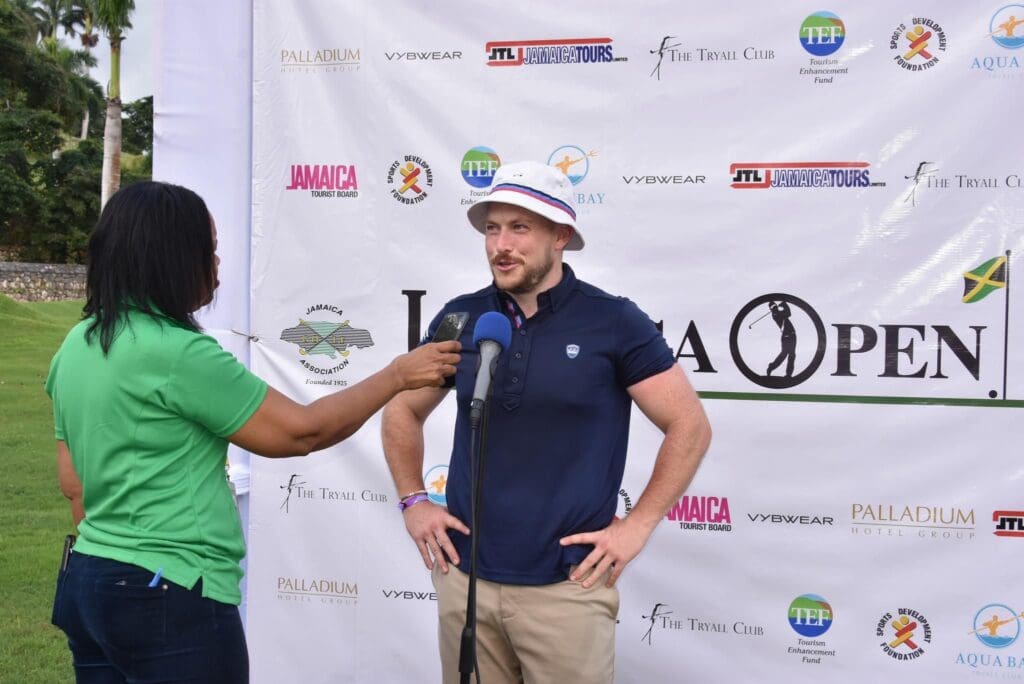
Now, Marcus has his sights firmly set on qualifying for the UK Open this year, the country’s most prestigious tournament.
His daily routine showcases the lengths he is willing to go to achieve his dreams. “I wake up every day at 5:30am, get to my golf club by 7:30am, and play until 12:30pm. I’ll then have an hour break before going to the gym at 1:30pm,” he explains.
Yet, it’s going above and beyond this regimented routine that allows him to consistently perform to his best ability.
“Overall, I aim to play six rounds per week and hit around 500 balls a day. It’s just that repetition which allows you to get as close to perfection as you can,” he says.
Marcus attributes much of his success to his meticulous approach to preparation and recovery, believing these ‘life hacks’ give him a vital edge over his opponents.
“In professional sports, finding that extra one percent can be the difference between winning or losing, or making the cut and missing it.”
One of his main priorities is protecting his body from common overuse injuries, such as the strains and tears caused by repetitive swinging. While not always career-threatening, these injuries can leave a player sidelined for months.
“Weightlifting is hugely important to improve bone density,” he says. “This makes stress injuries much less likely.”
Marcus also integrates callisthenics to strengthen his tendons, ensuring they can withstand the load of hitting thousands of balls a week. However, he views recovery as just as vital as the training itself, paying close attention to sleep, circulation, and muscle repair.
“When I was on tour, I’d sit with the professional doctors and physios who gave me advice that I now live by.”
Among those advisors were Poora Singh, the former head of physiotherapy for the European Tour, and Dr Andrew Murray, a former marathon runner who now works for the Scottish government, in promoting physical activity for improved health. They left Marcus with an arsenal of recovery strategies, which he uses to this day:
- Saunas: utilised regularly to aid muscle recovery and boost blood circulation.
- White noise: used during sleep to block out disruptive environmental sounds, especially in noisy hotels.
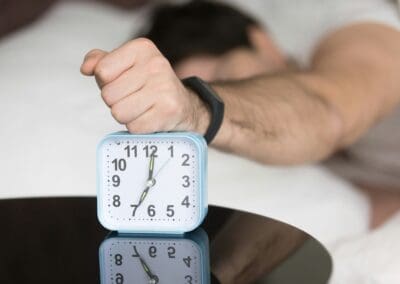
- The alarm trick: setting an alarm and placing your phone across the room so hitting the snooze button is impossible.
- Leg elevation: lifting your feet against the wall post-workout to drain lactic acid in the legs.
- Blackout rooms: taping hotel curtains shut to eliminate sunlight.
- Thermoregulation: dropping body temperature by two degrees in order to optimise deep sleep and muscle repair.
Marcus experienced a setback that would have permanently sidelined most athletes. Yet, through a combination of grit, science, and sheer perseverance, he won against the odds.
“The only person who is going to show up for yourself every day is you,” Marcus says, and it’s clear he’s doing exactly that.