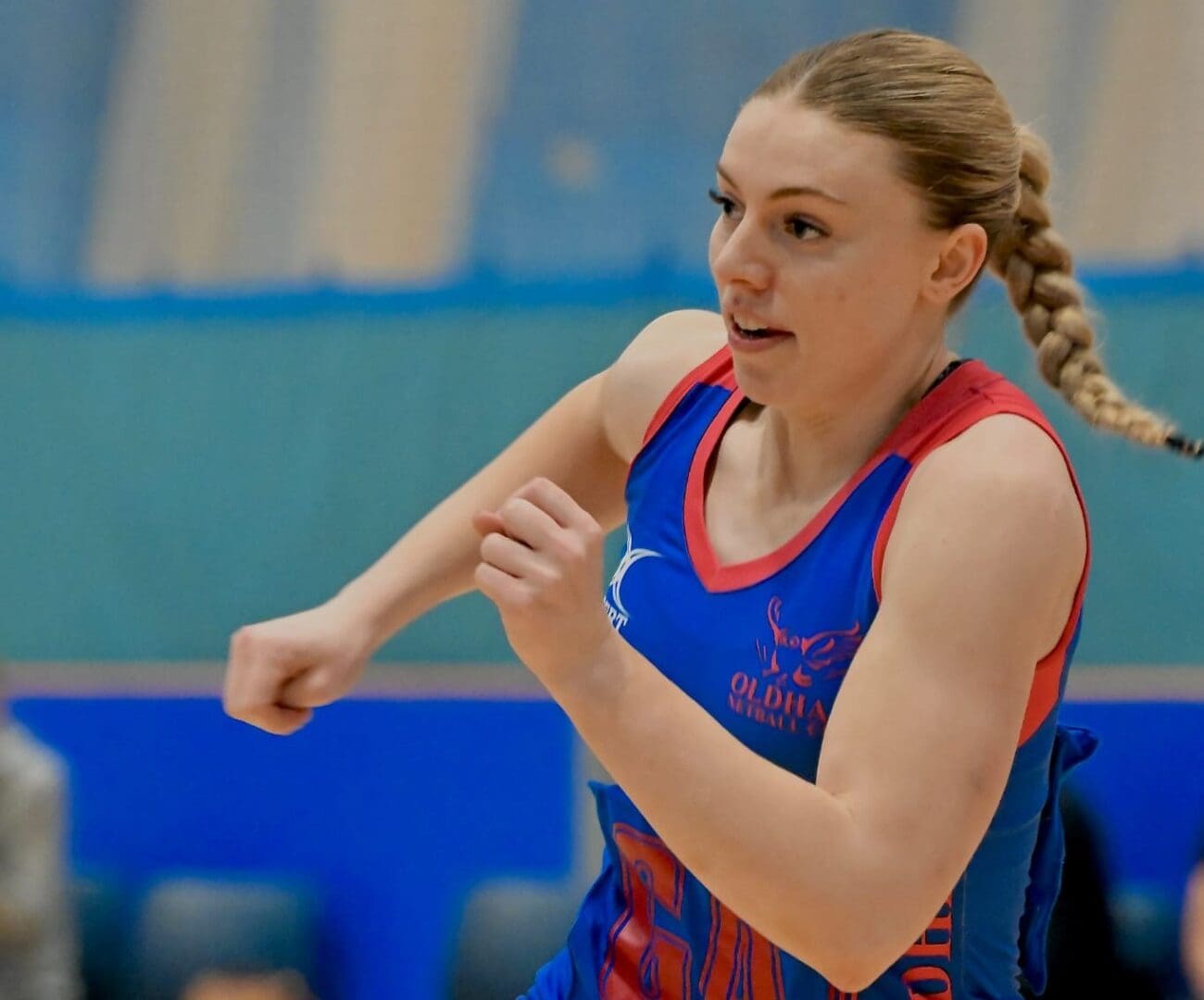
When netballer Hannah Diamond was faced with an ACL injury for the second time, recovery became about far more than just rebuilding a knee. Through expert insight and lived experience, ‘The invisible side of ACL recovery’ examines the psychological toll of long-term injury, and why strengthening the mind is just as critical as strengthening the body.
Hannah Diamond was finally finding her rhythm on the court again. After surgery and months of rehab following an ACL, MCL and meniscus injury to her right knee in 2022, the Loughborough Lightning NXT Gen netballer was back in the game she loved. Then disaster struck – the same injury, this time in her left knee.
“It was pretty devastating. It’s like the worst thing you can do, isn’t it?” says Hannah. “In fact, almost anything’s better than an ACL because it’s such a long process to recover.”
“When you first get injured, you don’t know what it is straight away. I didn’t know what it was, even though I’d done the other one before,” she says. “Obviously, I knew I’d hurt my knee, but to be honest, it was kind of wishful thinking.”
Hannah knew all too well that an injury like this was more than just a pause in play – it was going to be a test of patience, trust, and identity. Embarking on the journey again, to not only rebuild physical strength, but protecting her mindset and staying connected to a team she was forced to watch from the sidelines once again.
Confidence loss
Dr Catherine Wheatley, health psychologist and Mental Health Research and Programme Manager for Podium Analytics, is familiar with the importance of incorporating mental well-being into the recovery process.
She says, “Just because someone is physically ready to return to sport doesn’t necessarily mean that they’re psychologically ready and that’s something that people quite often forget. You’ve lost confidence in what your body can do.
“A common way of dealing with this, certainly in elite sport, is to try and ease people back into training and competition fairly gradually so that they learn to trust their broken ACL again and to feel confident that they can push themselves as hard as they used to.”
But recovery is rarely linear, and confidence loss can present itself differently for everyone. For 22-year-old Hannah, the fear of re-injury is not her biggest concern. Instead, it’s the question of whether time away from the court has changed her as a player.
“When I’m not actually doing the sport, sometimes I have doubts, like am I gonna be as good as I was? It’s been eight months since I’ve played a game of netball,” Hannah says.
Despite those doubts, Hannah is trying to reframe the experience: “I feel like I do have quite a positive outlook on it, and I’m trying to remind myself that I play netball because I like playing netball. If I do come back and I’m not as good, I’m doing it to enjoy it. I think injury puts stuff into perspective.”
When trying to help an athlete build on their confidence, physiotherapist Josh Mackinson believes a lot can be said for clearing ‘markers’ in their recovery plan.
Mackinson says, “If it’s a major concern for the player, there’s normally protocols you’ll go through to get them back out there. Once we can clear all the processes that we’ve done, that normally settles athletes down.
“You get to know people’s personalities so you can see them being a bit distant or quiet. From a medical perspective, you’ve got to pick up on that quite quickly and give them the cues to try and overcome it.”
On the sidelines
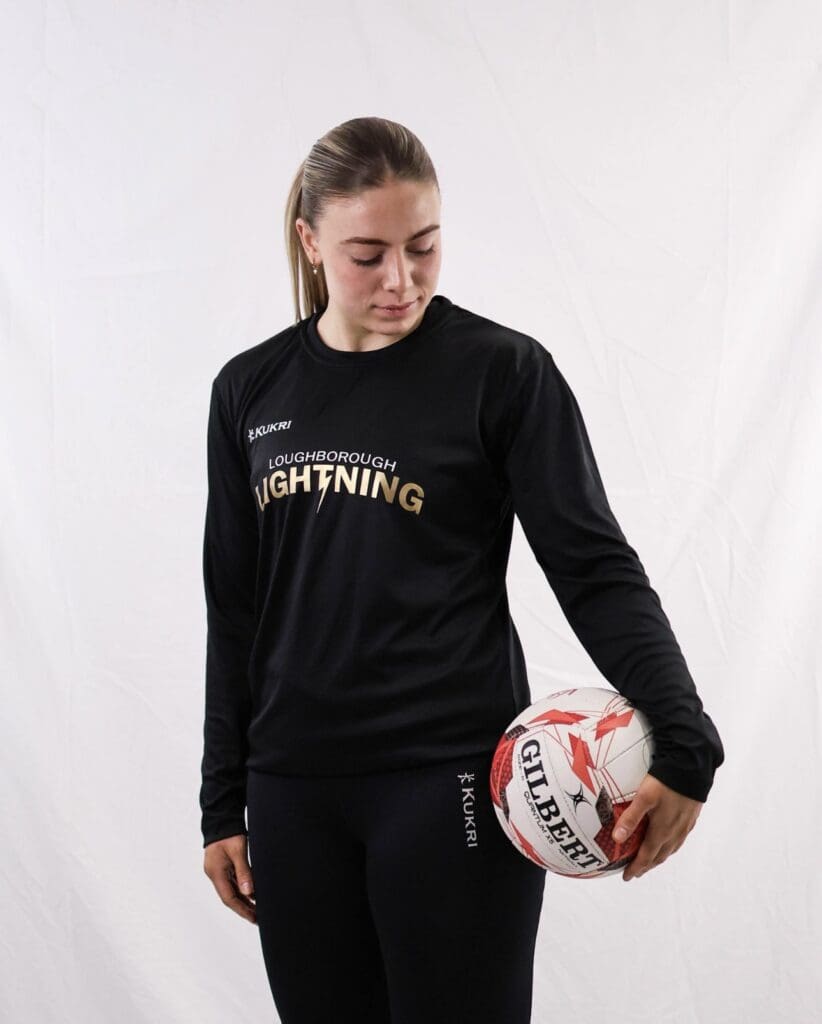
Netball has been part of Hannah’s life since she was eight years old. From Oldham Netball Club to Manchester Thunder and the University of Birmingham, her development as a player has been shaped not just by training, but by relationships built along the way.
“I definitely do think that’s the hard part, going from a team sport where you’re doing the same thing as everybody else, to rehab, as it is a very individual process. You have to put in a lot of the hard work on your own.
“So I wouldn’t say I feel isolated, it’s more like FOMO,” Hannah says.
That feeling of missing out highlights how deeply team sport is rooted in shared experience. Beyond competition, training environments often become a central social space, which can be difficult to step away from when injury changes an athlete’s training routine.
Dr Wheatley believes this disconnection is one of the most overlooked consequences of long-term injury. “The environment is about so much more than pure performance,” she says. “It is about camaraderie. You’re spending a lot of time with these people.
“You start to become disconnected from people who are your friends as well as your teammates. You feel different from them because you’re being treated in a different way.”
For Mackinson, maintaining that sense of inclusion is a priority during rehabilitation. Drawing on his experience as a touring physio with Masters Football, he knows first hand how crucial it is to incorporate an injured player into team training.
“We try to get people back into the club rather than individually training them at their own rehab programmes,” he says.
“Getting people integrated back into the team or into the camp is very important, very quickly. If you can take the mind off the injury, that gets people moving quicker. It gets people’s spirits up as well.”
Timeline anxiety
As the days turn into weeks and months, the desire to return can turn into pressure, imagining a timeline that just doesn’t work for them.
“There are fears that you’re being left behind,” says Dr Wheatley. “Competitive people will compare themselves to teammates and opponents and get a feeling of ‘they’re all getting better than me’. It can be a source of anxiety as well.”
Hannah recognised that temptation early in her recovery. Rather than chasing a fixed return date, she made a decision, alongside her physiotherapist at Loughborough, to resist the pressure of the calendar.
“We weren’t going to put a date on anything because you don’t know what’s gonna happen,” she says.
“In my head it’s unnecessary pressure, and I am in no rush. I want to rehab it and I don’t want to be disappointed if it’s not that certain date. Obviously I do have a time period in mind, though.”
Mackinson recognises that the key to a successful recovery and managing anxiety about the speed of the process isn’t necessarily physical at that stage.
He says, “If you can rationalise what’s happened, then you can say to them, this is the process of how we’re going to get you back from the injury. So in the initial phase, understanding is more important to me than getting somebody to move.”
The route back
Being able to envision a route back to the sport you love is crucial, for mindset and motivation. For Hannah, there was never any real doubt about whether she would return to netball. Even after two major knee injuries in the space of three years, she knew it was what she still wanted.
However, injury has a way of widening the perspective lens. According to Dr Wheatley, time away from competition often forces athletes to reflect on more than just their return date.
“It prompts young people to question what the rest of their life, and who they are, is going to look like in the future,” she says. “Is serious competition something that they feel they either have the capability to continue with, or want to continue with?”
But, with hard work, trust in the recovery process and patience with yourself, there’s always a route back for athletes that choose that path.
Mind and body
For all the focus on physiotherapy, strength tests and return-to-play protocols, arguably some of the most demanding parts of recovery remain unseen, inside the mind. Dr Wheatley believes the psychological work that underpins an athlete’s return is still too easily overlooked.
“Performance is prioritised, and there’s a lack of understanding that mental state can also influence your performance,” she says. “It’s not just about strength and conditioning. You have to be in a positive mental state to perform at your best as well.”
While conversations around mental health in sport are becoming more visible, Dr Wheatley says, “I don’t think it’s taken as seriously as it should be. Mental health and sport has a profile that’s definitely on the rise, and that’s down to people who have been prepared to put their head above the parapet.”
For Hannah, the invisible work – patience, perspective and trust – is now beginning to pay off. Nearly ready to return to competition, she’s not the only one anticipating her comeback.
“My teammates have been like, ‘When are you coming back? When are we going to see you?’” she says. “It will be so good to be back soon and get stuck into a game properly.”
Hannah’s journey is a reminder that returning to sport isn’t just about healing the body, it’s about retraining the mind to be resilient.