Elite athletes optimise every detail of performance, but sleep doesn’t work like training. Dr David Garley explains why recovery improves when athletes stop trying to force it.
Sleep is essential for recovery – but the harder athletes try to achieve it, the worse it gets. Through the night your body utilises sleep for cognitive function, cellular repair, hormonal balance, and so much more, making it a vital process between training and competition.
Naturally, elite athletes want to optimise everything, controlling each metric down to the wire. However, sleep often gets worse when over-controlled, something many find hard to come to terms with.
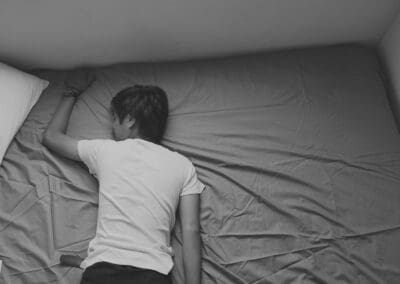
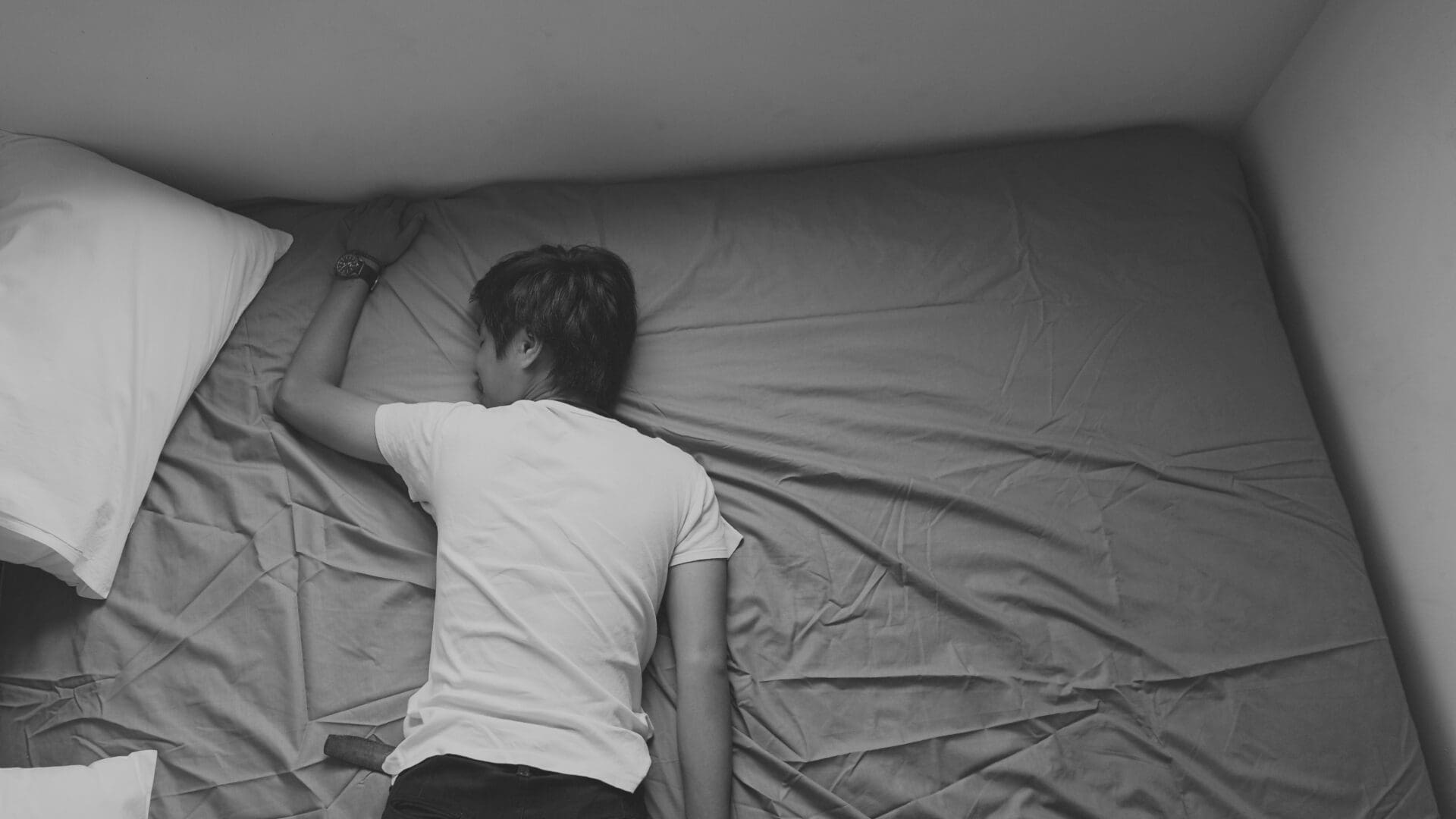
It’s not unusual for athletes to be laying in bed awake at night, praying for sleep to come sooner.
Dr David Garley, GP and sleep specialist at The Better Sleep Clinic, believes putting pressure on yourself to sleep is a problem in itself. “The more you try to sleep, the less likely it is to happen,” he says.
Sleep responds to stress
As many of us know, sleep responds actively to stress. For athletes, this can become a heightened emotion through a multitude of factors surrounding their performance.
“If you are a top tier athlete, you’ve spent years getting where you are,” Dr Garley says. “If you’re injured, you have concerns about selection, or about the team moving on without you…then when you’re stressed, you don’t sleep very well.”
Unfortunately, this is a familiar and vicious cycle which can become hard to break.
“If you’re sleeping less well, you recover less well. This means your recovery period is even longer, which leads to more stress, more poor sleep,” he says.
Many athletes may find the concept of not being able to control this aspect of their recovery process quite concerning, particularly at high levels where their lifestyles are meticulously planned.
Recovery is bigger than sleep
Although Dr Garley acknowledges that sleep is hugely important, he also recognises that there is much more to recovery.
“Recovery is actually bigger than sleep. You need to rehydrate, consider nutrition, and after an event like a marathon there’s lots of inflammatory mediators moving around the body.”
“If you do huge amounts of exercise you often don’t sleep very well afterwards.”
Sleep may only become a recovery tool beyond night two or three, once inflammatory mediators have had time to ‘dampen down’.
“Once that initial physical recovery – nutrition, hydration – has taken place, that’s when sleep can then come in. Sleep is often very disruptive in those initial phases,” he says.
The three pillars of recovery
Dr Garley considers there to be three pillars within sleep recovery; physical, cognitive, and emotional.
“All cognitive domains are impacted by sleep. It’s reaction times, but it’s also about judgement; it’s about tactical decision making across the board.”
Sleep is essential for cognitive function as it supports attention and memory consolidation, both of which are vital for top performing athletes.
It also plays a crucial role in regulating emotions and maintaining emotional balance, crucial for high intensity competition where athletes have to keep their cool.
“Emotional aspects are hugely impacted by poor sleep,” Dr Garley says. “We know that for the same work, the same load, if you’re sleep deprived, it feels like more.
“So even though the sleep deprivation won’t be affecting your physical performance that much, it emotionally feels like it.”
But of course, there’s also physical recovery within sleep. During this period the body releases growth hormone which performs muscle repair, tissue healing, and overall health improvements – proving essential for athletes healing from injury or hard training sessions.
The danger of ‘sleep effort’
Dr Garley says it is a common pattern that athletes are ‘trying too hard’ to get good sleep.
“We call it ‘sleep effort’. People are perhaps too motivated to sleep well,” he says.
“Being meticulous, being precise, it’s part of the secret of their success. But when you use that same approach for sleep, you tend to fall down.”
In this sense, it becomes important not to overemphasise sleep. Instead, Dr Garley suggests it is better to put the trust in your training and not overlook all the other factors due to just one bad night of sleep.
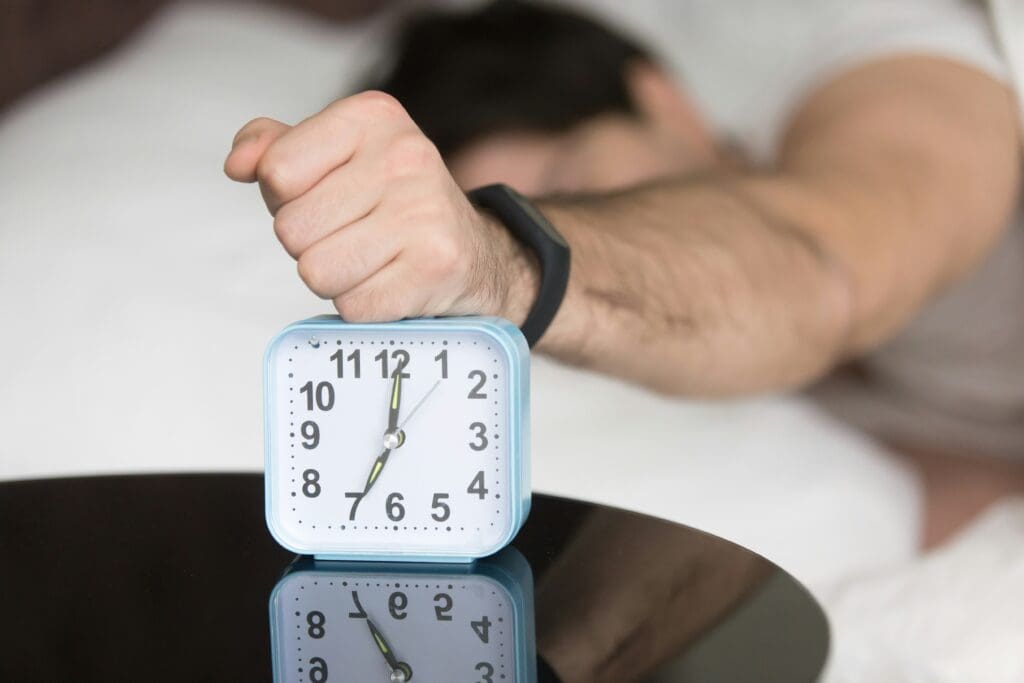
Certain sports are infamous for early morning training sessions, which can further impact this ‘sleep effort’ as athletes become conscious of their reduced time in bed.
“Martial arts always had a bit of a wrap for starting early, and rowing too. That one traditionally starts on the water at 6am, which means getting up at 5am or 5.30am,” he says.
Depending on a person’s age, their natural circadian rhythm may be quite late, particularly around later teenage years into university age, which is when many athletes spend the core years of their training. This can make it more difficult to spend enough time asleep, especially if they are attending early morning sessions.
Bad sleep before a competition
Poor sleep before a competition is normal, and usually not catastrophic.
“People are going to sleep really badly, but still perform really well because they’ve done so much other preparation,” Dr Garley says.
“It’s better to just accept that your sleep before such a big event is unlikely to be normal.”
Instead of going to bed hours earlier than usual, laying there wide awake and becoming increasingly stressed by the lack of sleep, Dr Garley has an important piece of advice:
“What you’re better off doing is pushing your bedtime a little bit later,” he says.
Contrary to popular belief, it is more effective to anticipate the bad sleep ahead of competition and accommodate this by going to bed later, ultimately making you have a ‘higher drive’ for sleep.
Ultimately, sleep works better when athletes stop treating it like another competition, analysing their performance and trying too hard.
It is still possible to have an excellent performance with a bit of bad sleep. Months and years of preparation will pull through, even if you did miss a few hours of shuteye last night!