Five truths about sleep from Dr David Garley at The Better Sleep Clinic, specialising in elite athlete sleep programmes.
Sleep is often treated like another performance metric to optimise, but for athletes operating under pressure – competition, selection, injury, travel – that mindset can backfire. Dr David Garely argues that sleep is less about control and more about allowing your system to do what it was designed for.
Here are his five key truths from experience working with elite athletes.
- Don’t try too hard
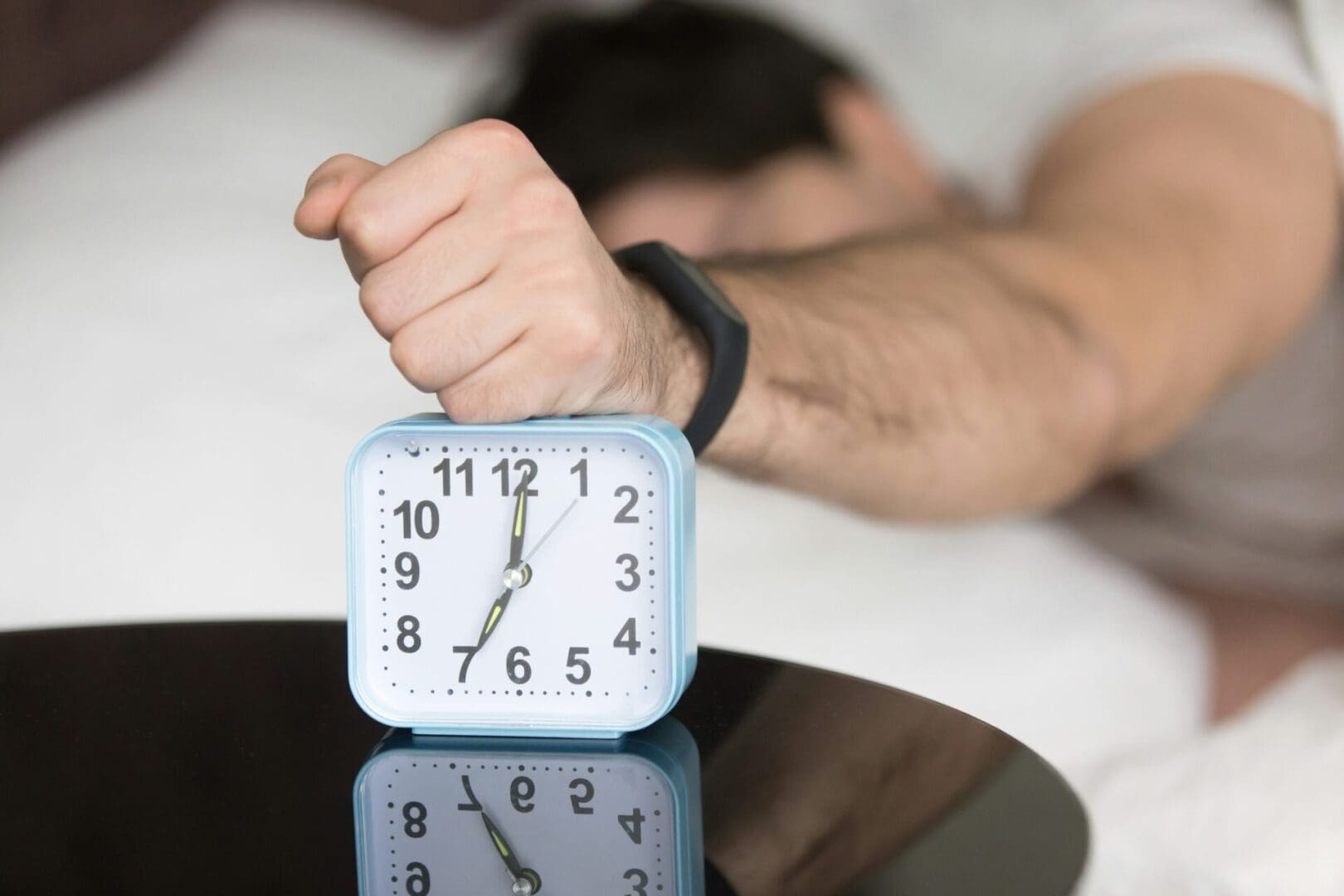
One of the most common mistakes athletes make is turning sleep into another performance task. Dr Garley describes this as ‘sleep effort’, when athletes become so focused on getting good sleep that they unintentionally create the conditions for poor sleep.
Instead of relaxation, it becomes pressure, which drives alertness and anxiety right as bedtime approaches.
“The more you try to sleep, the less likely it is to happen,” says Dr Garley.
In elite sport, where marginal gains matter, this can quietly become a major disruptor.
- Push your bedtime later before a competition
Yes, you read that right.
The instinct before a big event is often to maximise time in bed, but Dr Garley believes that this can become counterproductive.
“What you’re better off doing is pushing your bedtime a little bit later,” he says.
Going to bed too early before competition usually leads to long periods awake, increased restlessness, and heightened stress about not actually sleeping. Instead, increasing sleep pressure by staying up slightly later can actually improve sleep onset and continuity.
The goal is not maximum time in bed, but better quality sleep once it happens.
- 20 minute naps are an optimum recovery tool
Napping can be one of the most effective short-term recovery tools in an athlete’s recovery arsenal, if done correctly.
“About twenty minutes, max,” Dr Garley says. Short naps keep you in the lighter stages of sleep, improving alertness, mood and cognitive sharpness without the grogginess that comes from deeper sleep cycles. Longer naps risk sleep inertia – the ‘zombie’ feeling caused by waking from a deep sleep.
This is a technique famously used by the likes of Usain Bolt and even Mikaela Shiffrin, who became widely known for taking a nap on the side of the piste between runs!
In practice, this makes napping a precise recovery tool, rather than a substitute for a night sleep.
- Waking up early to train isn’t always productive
Early morning training is often seen as discipline, but Dr Garley highlights a hidden cost: sleep loss.
At younger ages especially, natural circadian rhythms tend to run later, meaning early starts can cut into biologically important sleep time. Over long periods, this can reduce recovery capacity and mental or physical resilience.
“If you’re not giving enough time to it, you’re just not going to sleep enough,” Dr Garley says.
This isn’t just fatigue – it’s the accumulation of reduced sleep opportunities over months and years of training, which can quietly undermine performance gains from the training itself.
- Sleep isn’t the only recovery factor to consider
Perhaps the most counterintuitive point is that sleep, while essential, is often overemphasised in athlete thinking.
“Recovery is actually bigger than sleep,” says Dr Garley.
He stressed that recovery includes a multitude of factors such as hydration, nutrition, and psychological elements – especially after intense events like endurance running or heavy competition blocks. Sleep is a major component, but not the only one, and in some cases after extreme excretion it can be quite disrupted.
The key message here: sleep supports recovery, but it doesn’t operate in isolation.
Across elite sport. sleep is commonly emphasised; with tips, tricks and everything in between to try to optimise, control and perfect it. Dr Garley’s work suggests that a simpler approach, with reduced pressure and a respect for the body’s natural processes, can go a long way for your sleep journey.