How a nation that fought against the very best became silent, and why they are ready to make noise again.
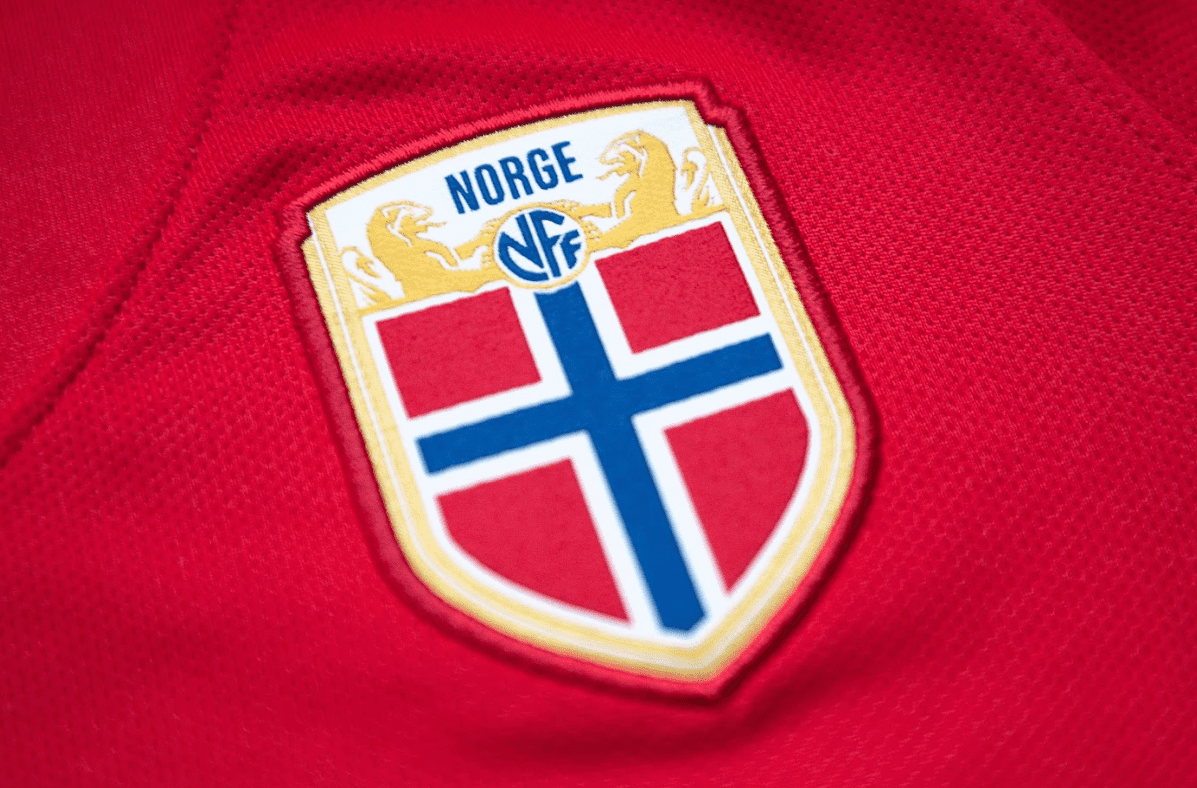
The last time Norway competed at the FIFA World Cup was in 1998, when a 24-year-old Tore André Flo terrorised defences in France. What followed was not a gradual decline, but a 28-year exile defined by near misses, heartbreak, and a football identity crisis that left one of Europe’s most historic sporting nations watching from the sidelines.
Now, as the world prepares to enjoy the 2026 FIFA World Cup, Norway is back. And they are potentially better than ever…
The glory days
To understand what this qualification means, you have to understand what Norway lost.
In the summer of 1998, they marched into France with a squad that was increasingly familiar with the biggest stage, having also qualified in 1994.
Their World Cup campaign was brief but brilliant. The campaign was defined by an iconic 2-1 victory over defending champions Brazil, a result that sent Norway into the Round of 16. Norway fell to Italy in the next round, but departed with their heads held high.
What no one expected then was that it would take nearly three decades to return.
The long drought
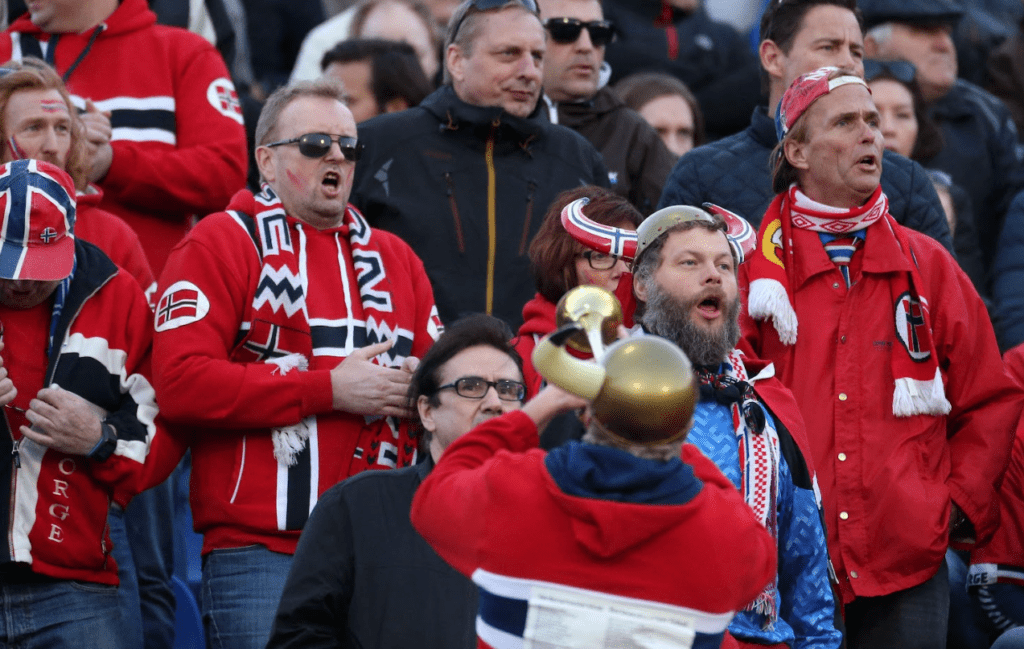
The drought that came next was cruel. Norway came agonisingly close in multiple qualifying campaigns, only to stumble at the final hurdle. A combination of play-off defeats, goal-difference tiebreakers, and a series of managerial changes created a cycle of hope and disappointment familiar to Norwegian supporters.
Generations of players came and went without ever experiencing a major tournament. The small nation of five million watched as its neighbours, Denmark and Sweden, continued to qualify for major tournaments. Even Iceland, a country with a population of roughly 400,000, reached the World Cup in 2018. But for Norway, nothing.
The new generation
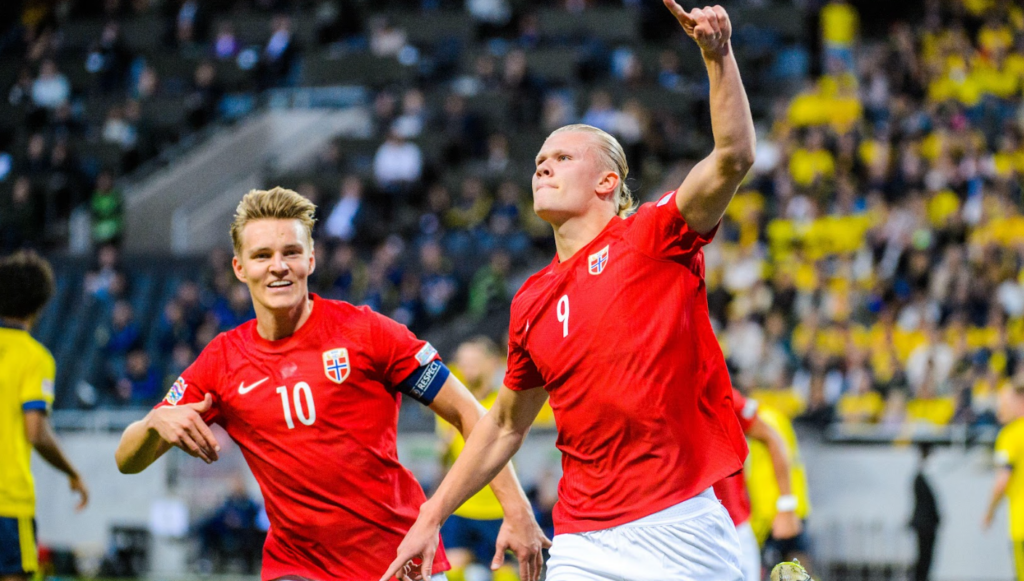
The players who will step out for their country at the 2026 World Cup represent potentially the most talented squad the country has ever produced. At the centre of everything is Erling Haaland, the world-class Manchester City striker whose combination of speed, power, and instincts has made him one of the most feared forwards in world football. His goal-scoring records speak for themselves, with the 6’5 bagsman ready to lead the line for his country.
But this is not a one-person team.
Martin Ødegaard, the Arsenal captain who led his side to the Premier League title, provides the creative intelligence that previous Norwegian teams have lacked. Once the youngest player ever to represent Real Madrid, Ødegaard has matured into one of Europe’s elite midfielders.
Around them, Norway has assembled a supporting cast of proven footballers across Europe’s top leagues. Atletico Madrid’s Alexander Sørloth offers an alternative to the club’s strikers with his aerial prowess. Fulham’s Sander Berge provides steel and composure in midfield, and the defensive prowess of Brentford’s Kristoffer Ajer provides the team with a strong spine.
Dark horses
The “dark horse” label can be overused in football, but it fits Norway perfectly. They lack the tournament pedigree of Germany or Argentina. They don’t carry the pressure that burdens England or France. What they have instead is a strong and dangerous combination of world-class individual talent and a solid group with few outstanding weaknesses.
However, the challenge will not be easy. A group stage shared with France, Senegal and Iraq has many labelling it as this tournament’s ‘group of death ‘. Yet, with a change in the group stage qualification rules, a third-place finish would still give Norway a great chance of progressing to the round of 32. After that, who knows what can happen.
The long wait is finally over. Norway are back on the world’s biggest stage, armed with the finest generation of talent in their history and determined to make the most of a second chance nearly three decades in the making.