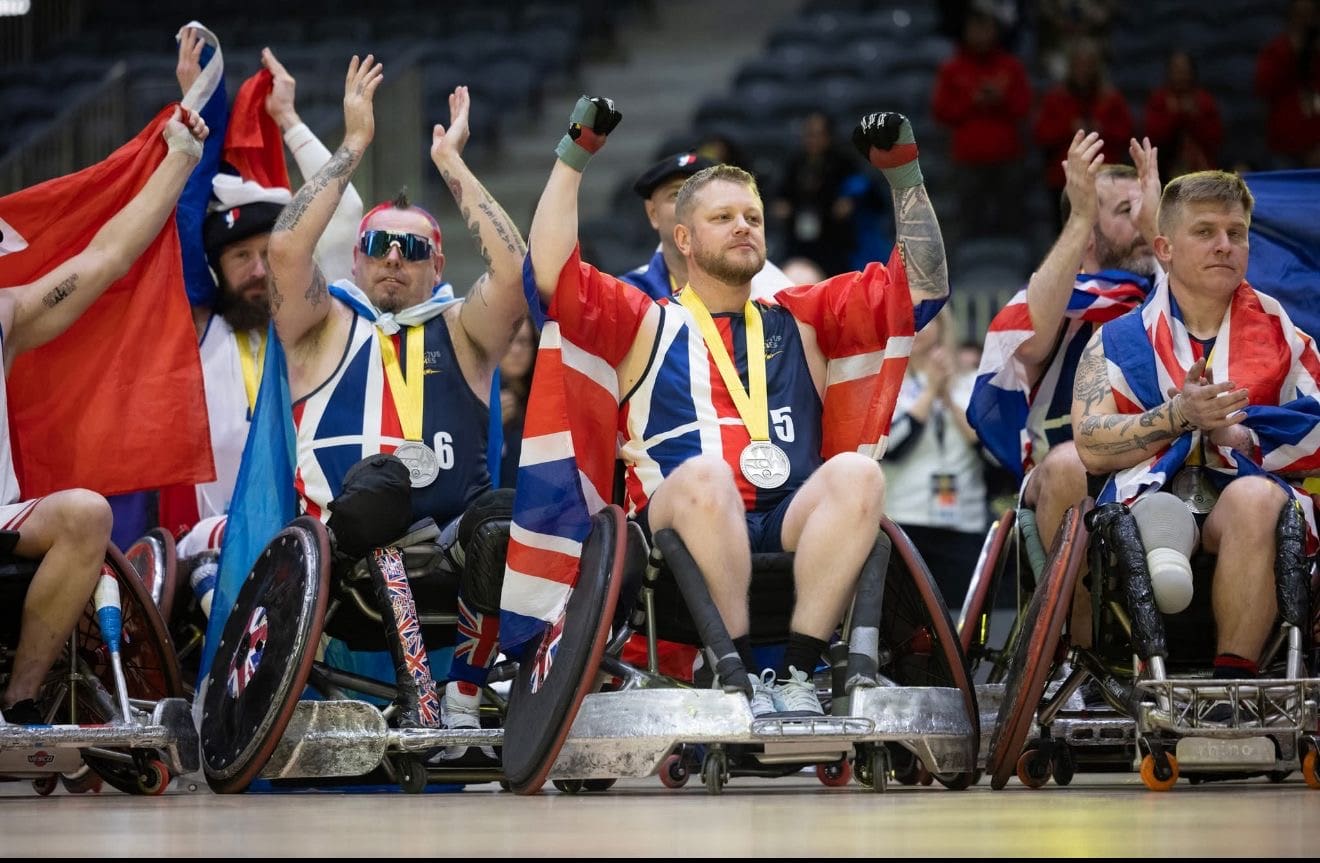
Injury is more than just the physical damage that is done. Team UK captain Steve Hooper shares a powerful account of recovery; from the depths of PTSD and self-doubt to rediscovering purpose through the Invictus Games.
For me, recovery has been a journey of highs and lows, not straightforward by any means.
Looking back, I can not point to a single moment where everything suddenly changed, but it was more of a gradual realisation that life as I knew it was shifting.
However, I do have moments that stick out of my recovery journey like in 2023, when I competed in my first Invictus Games in Düsseldorf in powerlifting. Despite my countless hours of training, I really struggled with the competitive pressure of it all.
After years of therapy for Post Traumatic Stress Disorder (PTSD), this hindered my performance and led me to getting three ‘no lifts’.
This hit me hard, and I felt like a huge failure and let-down to my family.
I expected to spiral like I had done before, disappearing for weeks on end and being glued to my bed. But this time, something different happened.
It took just one day to move past what I felt was a failure. I was out of bed and back in the stands, supporting my teammates and even competing again in sitting volleyball.
My wife noticed it before I did. She told me how different my bounce back had been and that is a moment to this day that sticks with me.
It made me realise recovery is often invisible until you reflect on how far you have come.
An uncertain future
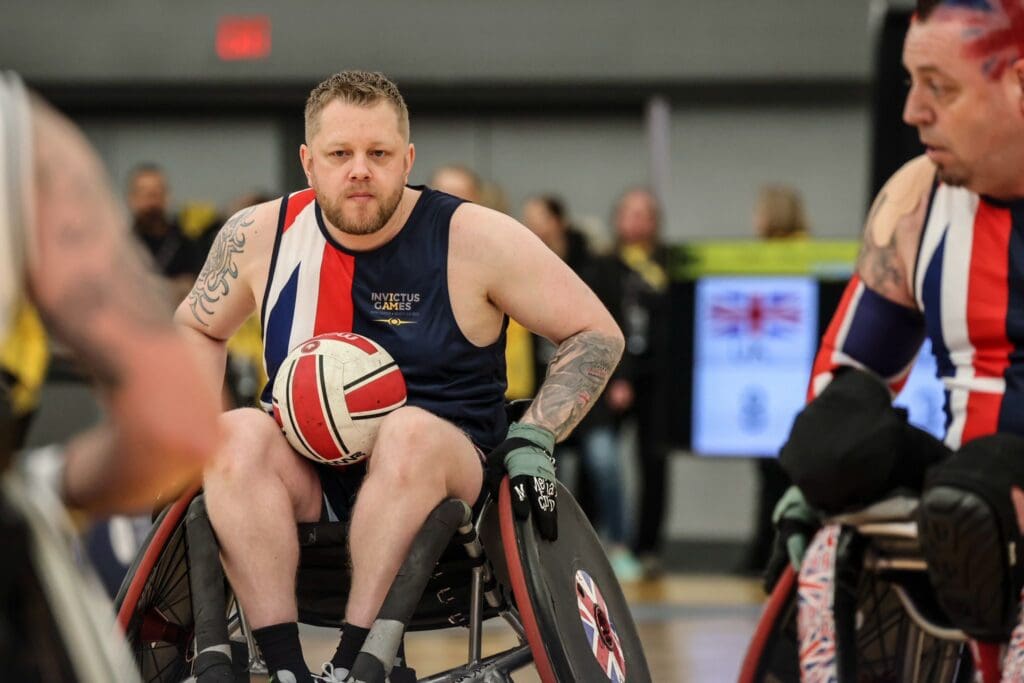
For a long time, I was living with fear disguised as uncertainty. I did not know how the future would look with the familiar uniform and job I had built my life around. I could not picture a version of myself which was not broken or limited.
At one point, I thought we would be homeless because I could no longer provide for my family. It took the right people, time, love and support from the Royal British Legion to realise it was not the end of my story, just the beginning of a new one.
The hardest part of my recovery was not what people could see – it was what was going on in my head. My hardest fights were internal and with myself.
I am still on my recovery journey now, with a condition called Moral Injury Syndrome, along with PTSD and recurring depression. I have lost a sense of who I am and questioned my own morals and beliefs.
Sometimes, the journey is so silent and painful.
I spent years hiding and doing my best not to interact with anyone. I struggled to get out of bed and look after myself. Even the smallest tasks felt like climbing a mountain.
Sport re-entered my life when I attempted to play football for a local veteran’s team. Despite trying to get involved and put myself out there, I felt like the weak link and my social battery was completely drained by the end of it. Maybe sport was not for me.
Then Invictus came into my life.
Team UK calling
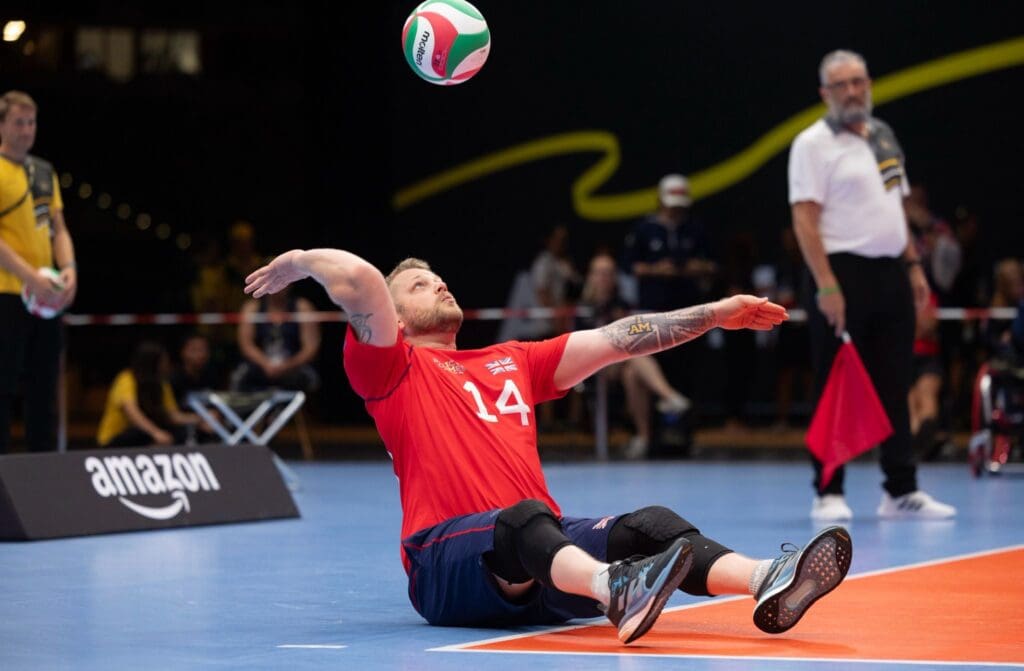
Suddenly, there was a chance to train with other people who got it, no explanation required and that was the spark to try sport again..
Support behind the scenes was vital. The Royal British Legion funds Team UK and our families to attend the Games alongside places like the Battle Back Centre at Lilleshall National Sports Centre giving people like me the chance to rebuild through sport. Sport gave me back a sense of belonging.
My Invictus journey has felt like a rollercoaster. My first time getting selected for the squad was nerve-wracking, but once I got involved, I now never want to leave.
Therapy for two years allowed me to be receptive to recovery. Things really started to change when I put on the Team UK kit for the first time. This was an immense moment of pride and something I could not have imagined in my wildest dreams.
Wearing that kit represents every person who has struggled, who has fought their way back and who is still on their recovery journey. It is hard to imagine how my recovery would have gone without Invictus and the reinvention of myself.
I was not only competing in sports again, but on the international stage with the Union Jack on my chest and arm, surrounded by people who understood me. Being around these people who have all faced their own hardships reminded me that recovery is not about where you have been, it is about turning up for what is to come.
One thing people do not tell you about recovery is losing your structure, or any routine that was once in place. Training for the Games brought this back; competition provided purpose but more than that, it taught me progress is not linear.
Some days you struggle, some days you surprise yourself. That lesson translates into every part of life. The Games reminded me what resilience looks like.
What Invictus gave me goes far beyond competition.
It gave back parts of me which I thought were lost. It provided me with renewed confidence and a desire to continually drive forward. These Games are not about medals, it’s about personal growth, the team mentality and the people who become family.
Next Steps
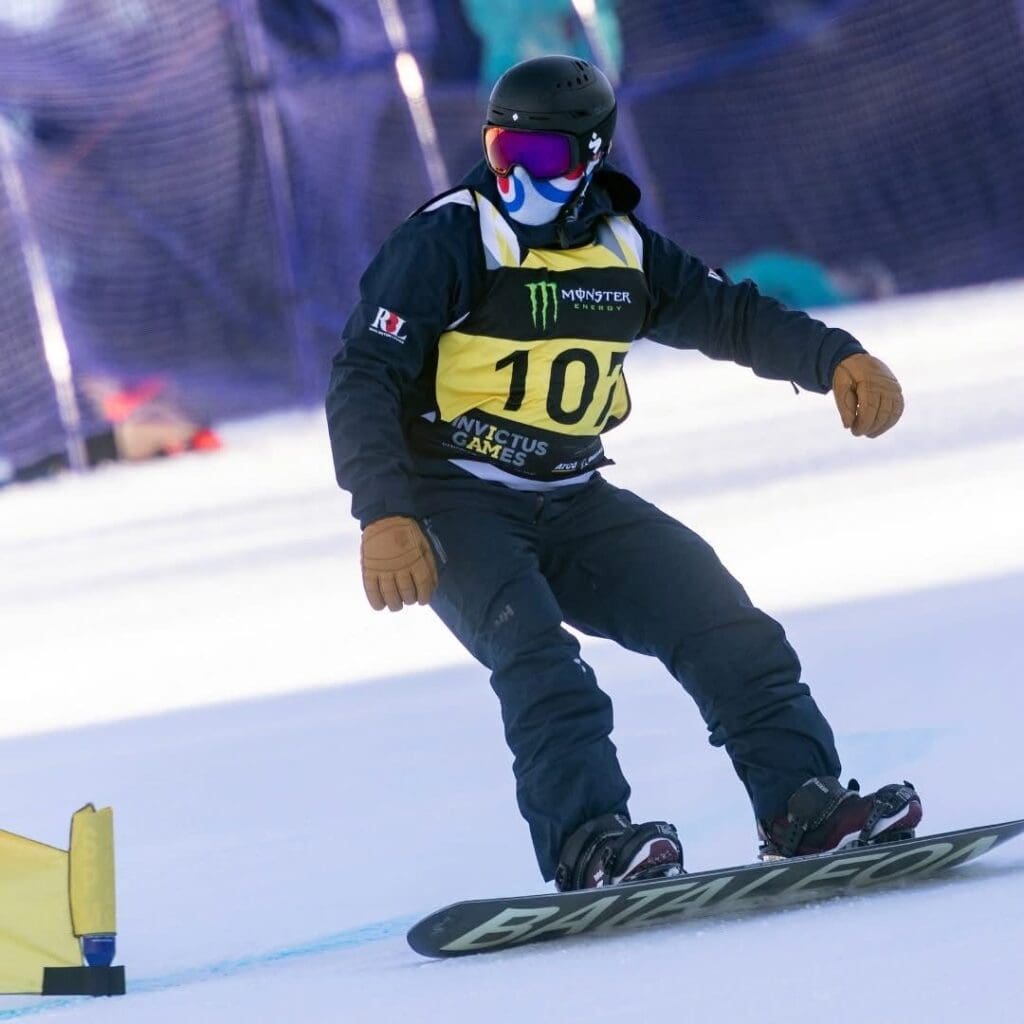
Now, as captain, my focus is to look at those around me. Everyone’s recovery looks different, but we all share a common bond.
Growth happens when we lift each other up. Being part of Team UK for the first time can be scary and too much for some. My role is to provide the guidance and experience that I have acquired on my journey with Invictus.
One of the most powerful moments in this journey has been seeing that change in others.
Seeing members of the team go from not wanting to engage on the first day, being nervous and unsure, to thriving individuals competing in front of tens of thousands of spectators.
That’s Invictus.
One moment I’ll never forget was seeing a teammate struggle with loud noises at the start of the journey, only to later run through a guard of honour, cheered and applauded after winning a medal.
It resonated with me, because that was me. When I began the Invictus process in 2022, I wore noise-cancelling earphones, standing alone in the corner, just trying to cope with everything around me.
Compare that to now, and the difference is monumental. I have even started thinking about becoming a keynote speaker, something which I did not even believe would be possible.
It is not about being the best athlete, it is about courage.
The moments that stay with you are when someone rediscovers belief in themselves.
That is the real victory.
By Charlie Garrett