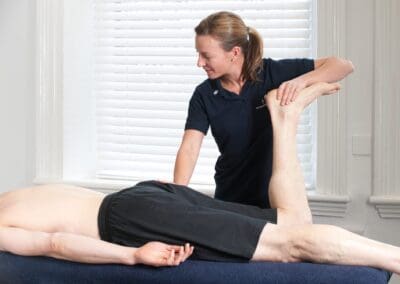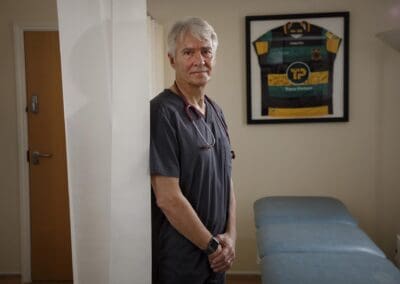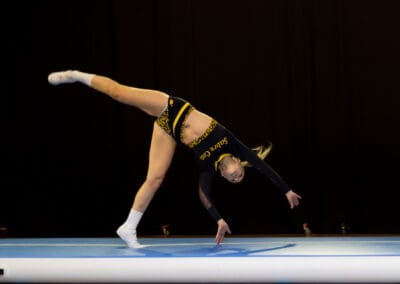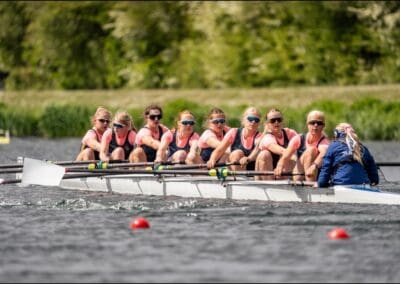
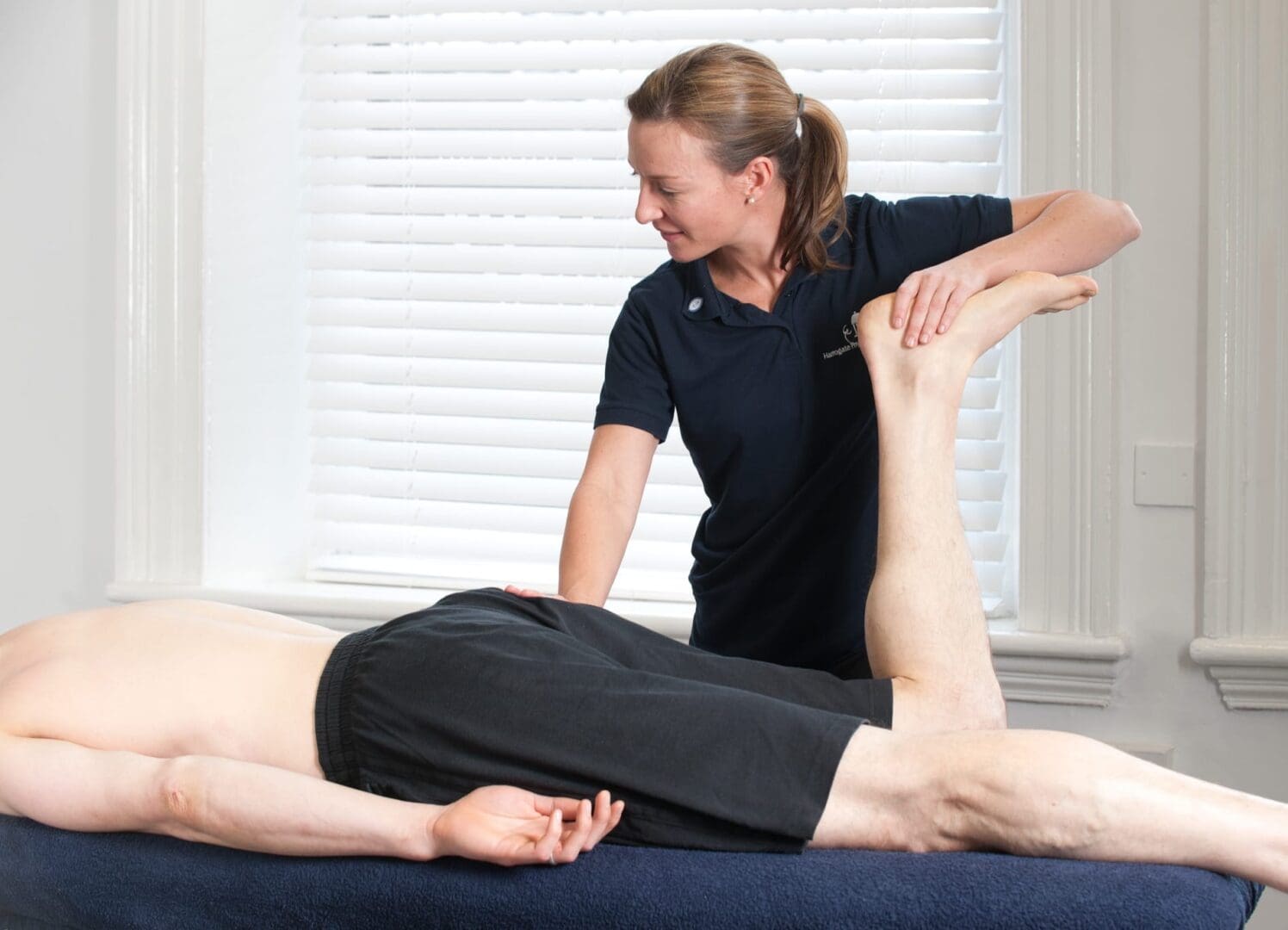
Physiotherapist Annelize Ferreira explains how cross-training, yoga and targeted strength work can support recovery, all while enhancing performance.
Time away from your sport can feel like the end of the world. Yet physiotherapist Annelize Ferreira believes injury can offer something unexpected: opportunity.
With 25 years of experience, Ferreira has treated everyone from military personnel and professional climbers to ultramarathon runners.
“Injury in sport can be a blessing,” she says. “It allows you to try other things and work on your weaknesses.”
The hidden cost of overtraining
For eight years, Ferreira worked as a frontline physiotherapist in a Phase 1 military unit, quickly becoming accustomed to treating acute injuries as soon as they happened. This experience taught her a valuable lesson, one which she sees occur regularly across every sport at every level.
Athletes cannot stop
“I see padel athletes coming to me wanting to play six hours a day and wondering why they have tennis elbow and Achilles problems,” she says. “It’s simple, too much volume of any exercise causes injury. The body needs time to recover.”
While the injury will vary, often the underlying cause of excessive training combined with insufficient recovery is consistent.
The most common injuries she sees are lower-limb injuries; every stride of running places up to 12 times your bodyweight of strain on the legs. In addition, as fatigue builds, technique can often deteriorate. This combination can cause a chain reaction that can not only damage the lower limbs, but also contribute to hips, lower back and shoulder injuries.

Rehabilitation doesn’t always mean standing still
Ferreira teaches that effective recovery doesn’t have to mean sitting around doing nothing.
“You don’t need to stop completely; you need to diversify,” she explains. “For example, a padel player with an injury could try swimming instead. They then often come back claiming that their breathing has improved and they’ve become better at padel as a result.”
The main aim is to maintain fitness while reducing stress on the injured area. This could be runners replacing mileage with strength training. In many cases, she says, the injury itself reveals weaknesses that have been ignored for years.
“Athletes are often brilliant at the big stuff, but give them something small, a certain neck movement or balance drill, and they struggle.”
In that sense, injury rehabilitation can become more than just recovery. Instead, it becomes an opportunity to develop performance.
The recovery tool hidden in plain sight
As well as being a physiotherapist, Ferreira is also a teacher for the Institute of Yoga Sports Science.
“People think yoga is just stretching,” says Ferreira. “It’s so much more. Just through yoga breathing you can help with stress, recovery and visualisation.”
Her own path into yoga began following burnout during her physiotherapy career. The emotional weight of responsibility for injured patients had taken its toll; in a search for relief, she attended a class.
“I arrived feeling exhausted and overwhelmed. I left without the headache that had followed me for weeks. I thought, ‘Wow.’ I decided to merge my love of yoga with my physiotherapy.”
What followed was years of research, including over 50 case studies examining how yoga can enhance athletic performance and recovery.
The results, she says, were remarkable.
Beyond flexibility
While yoga is commonly associated with mobility, its benefits stretch far beyond that. Breathing techniques can help manage pressured situations, while visualisation can sharpen mental focus and improve body awareness.
For endurance athletes, these effects can be huge. Ferreira has worked with athletes competing in the Marathon des Sables, an ultramarathon across the Sahara. These breathing techniques helped athletes stay composed and maintain energy across hundreds of kilometres of running.
The mental side of recovery
For many athletes, exercise serves as a stress management tool and an emotional outlet. Not having this can cause significant psychological challenges.
“Ninety-nine per cent of the people I see use exercise as a stress reliever or trauma response,” says Ferreira. “When you take that away, you have to find an alternative fast.”
That is why she encourages athletes to find alternative activities that satisfy the same emotional needs as their primary sport.
“Runners, for example, often love the feeling of their lungs when deep in exercise; for them, they need to find a way to feel still while still recovering the injured area,” says Ferreira.
Returning stronger
Athletes who recover best are those who choose not to view injury as a problem, and instead use it as an opportunity to build in other areas and address long-term weaknesses.
“To come back with your whole body stronger than ever, keeping an open mind and diversifying recovery is key.”