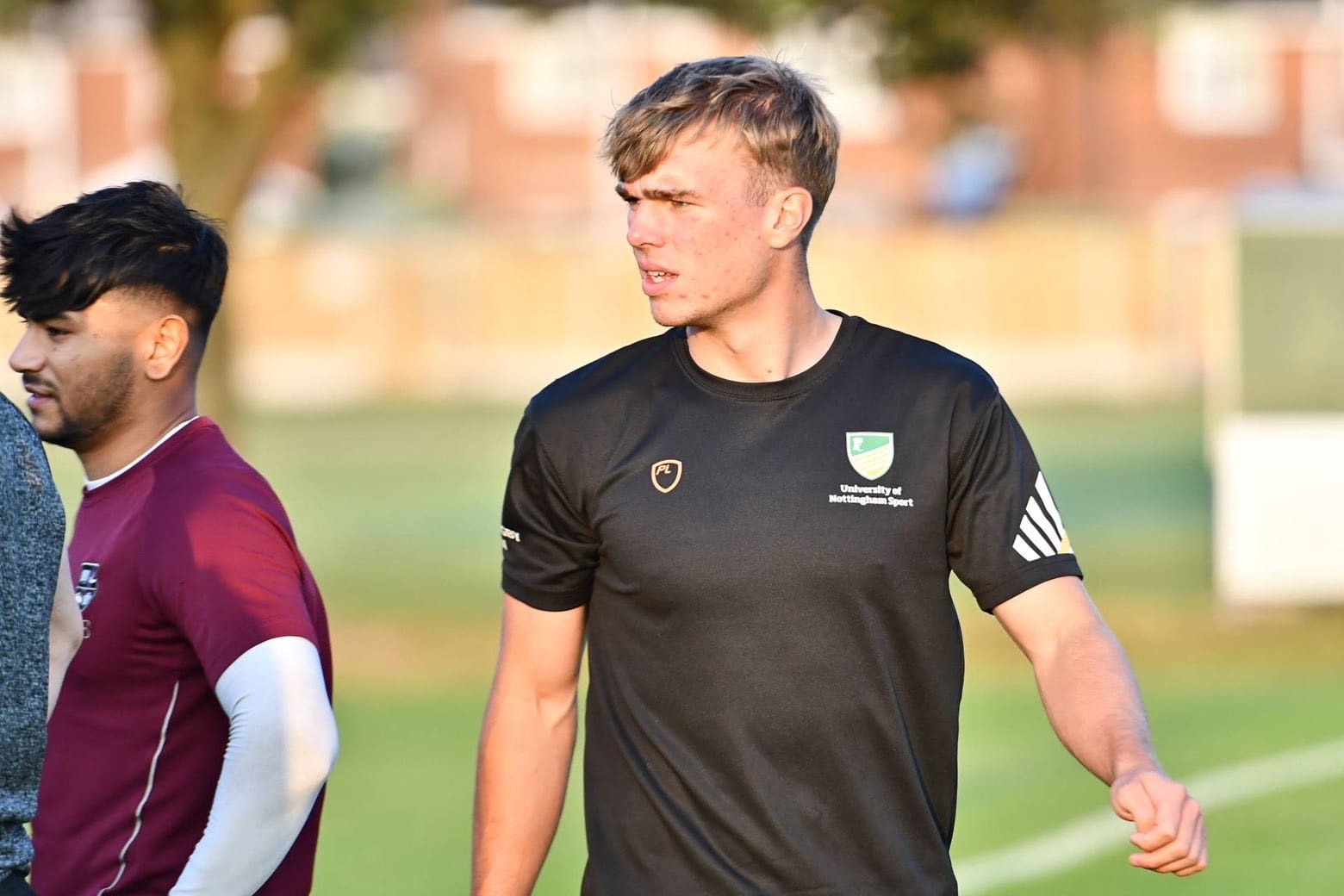
A misdiagnosed infection derailed Tommy Carswell’s promising rugby career before it had truly begun. Four surgeries later, he is finding new ways to remain connected to the sport he loves.
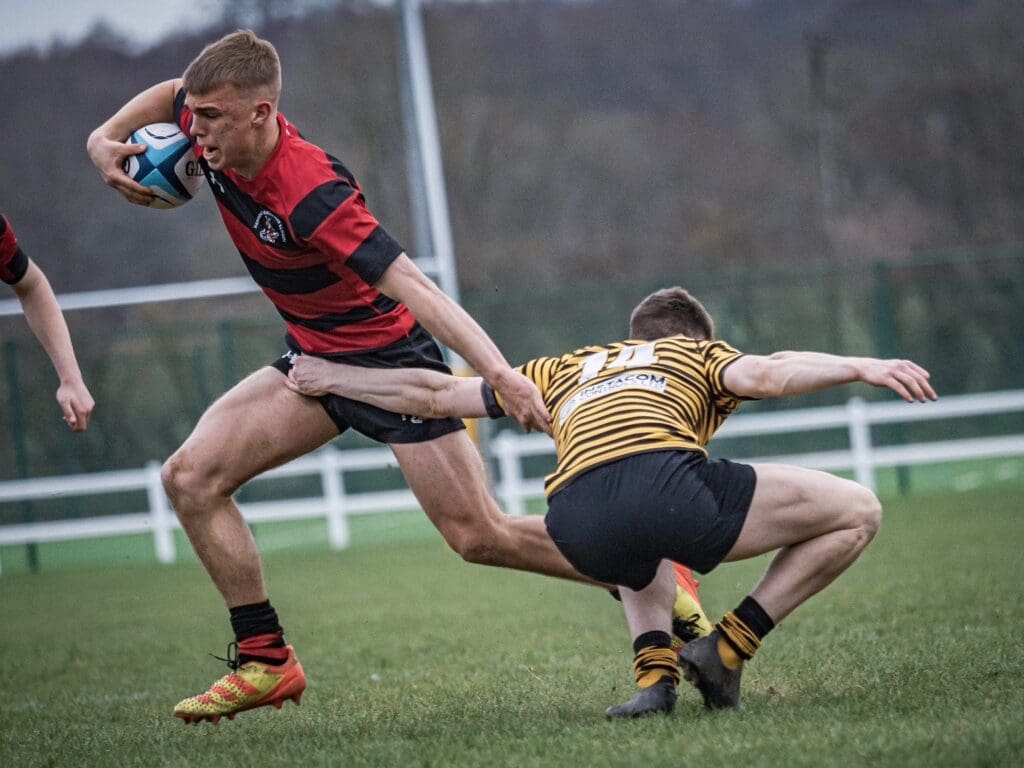
At six years old, Tommy Carswell first picked up a rugby ball and played for local side Harrogate Rugby Club. What began as a hobby quickly became a way of life.
With ambitions of playing professionally, Carswell progressed steadily through the ranks, earning places in the Yorkshire Rugby Academy across two consecutive seasons before joining the University of Nottingham Rugby Club.
After an exciting start to his BUCS career, he was invited to compete at the Rosslyn Park National Schools Sevens – the world’s largest school rugby tournament. It was there that everything changed.
A pain that wouldn’t go away
For Carswell, the tournament itself felt routine. There were no major collisions or awkward landings, and he completed the day without concern.
However, later that evening, a pain slowly developed in his hip. By the following morning, it had become unbearable.
“I just presumed it was a Rugby Injury,” he says. “Maybe a pulled muscle or something like that.”
Concerned by the severity of the pain, Carswell visited a hospital in London for a scan. After a lengthy wait, doctors agreed with his assumption and sent him home with the same diagnosis.
Still unconvinced, Carswell returned home, but after another sleepless night his instincts told him something was wrong. A high temperature combined with severe pain in his leg pushed him to seek a second opinion.
It was then that he was diagnosed with native hip septic arthritis – a bacterial infection inside the joint.
Four weeks, four surgeries
Carswell underwent emergency surgery the following day, the first of four operations he would have over the course of a month.
Septic arthritis is considered a medical emergency and, if untreated, can permanently damage cartilage and joints.
“The time spent in the hospital was frustrating,” he says. “It was difficult to stay positive, every time the doctors hoped they had dealt with the situation, I’d learn I needed another operation.”
After four painful weeks, Carswell was finally discharged. Yet his recovery journey was only just beginning.
The painful truth
Consultations with medical professionals were brutal; Carswell would spend weeks on crutches. The hardest part was being told that he would likely never be able to play rugby again.
“It’s devastating to have to quit my playing career so early”, he says. “But I am not the sort of person to sit and feel sorry for myself.”
For a 21-year-old who had spent most of his life chasing the dream of professional rugby, the news was difficult to process. Yet Carswell refused to let the sport disappear from his life completely.
Staying in the game
“I am actively looking to get involved with routes like coaching”, he says. “Just being involved with the sport is something that I will always look to do.”
Carswell recently coached a rugby sevens session at school in Nottingham and found unexpected fulfillment in the experience.
“I was surprised as to how rewarding it was,” he says. “There’s something enjoyable about passing on the skills I’ve spent so long developing.”
Alongside coaching, he has also turned to swimming and cycling to stay active and maintain fitness.
“It’s definitely different, of course, I miss the competitive nature of Rugby”, he says. “But I love trying to beat personal targets, and it’s also a great way to stay fit.”
Carswell’s playing career ended far sooner than he ever imagined. Yet his resilience and determination to remain connected to rugby show that even when sport changes your life unexpectedly, it is still possible to find a new place within it.