From Ronaldo’s redemption in 2002 to Messi finally completing his legacy in 2022, the World Cup has produced some of sport’s most powerful comeback stories. This feature explores the moments where players and nations overcame adversity to create football history.
The FIFA World Cup has always been about more than just football. Every four years, it becomes a stage where careers can collapse in a moment, but heroes can also be born.
Some players arrive at the tournament carrying the weight of injury or past failure. Whilst others represent nations trying to recover from devastating defeats or years of disappointment.
Yet somehow, under the brightest lights in sport, these stories of recovery and revival continue to be churned out.
The World Cup has given us some of the greatest comeback stories sport has ever seen. These moments are not remembered just because of trophies or goals, but because they reveal something deeper about the human ability to fight back when everything appears lost.
These are the greatest stories of recovery and comebacks in World Cup history.
Ronaldo Nazário, 2002
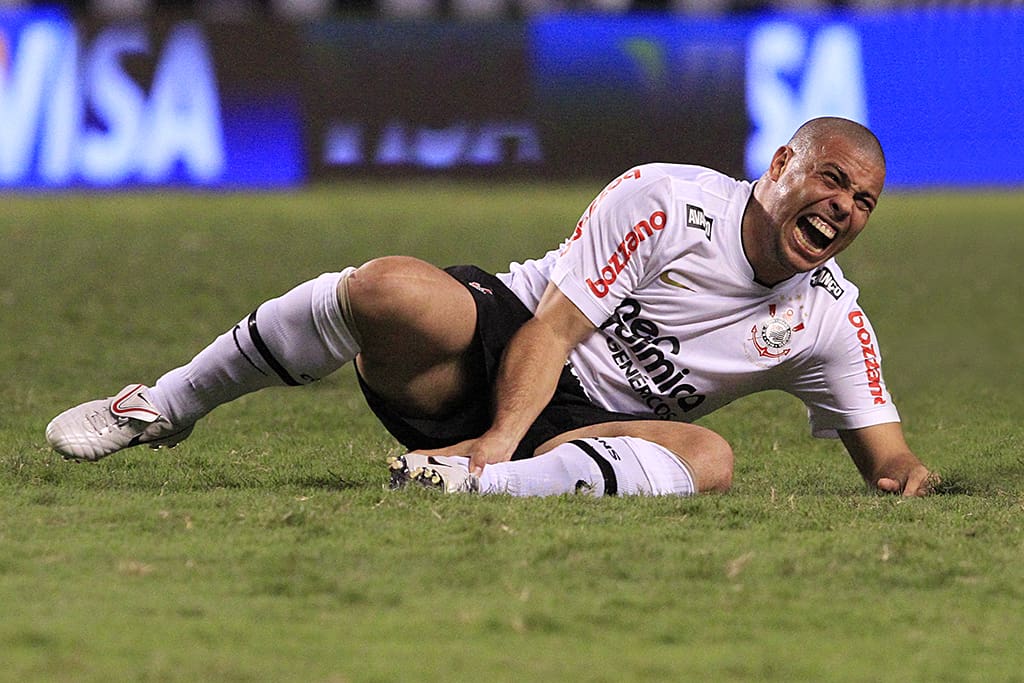
Before the 2002 World Cup in South Korea and Japan, many believed Ronaldo Nazário’s career was already over.
At the peak of his career in the late 1990s, he was regarded as one of the most dangerous forwards the sport had ever seen. However, everything changed after a series of devastating knee injuries while playing for Inter Milan.
In 1999, Ronaldo ruptured a tendon in his knee. The injury was so severe it displaced his kneecap into his thigh and images of him collapsing in pain shocked the football world. After multiple surgeries and long periods of rehabilitation, questions began to grow over whether he would ever return to his former level.
The pressure surrounding Ronaldo heading into the 2002 World Cup was significant. Brazil were still recovering from the disappointment of the 1998 final, where ‘R9’s’ mysterious illness before the match became a significant talking point for years to come. 2002 was about redemption.
Ronaldo finished the tournament as the top scorer with eight goals, combining his sharpness of years gone by with a new sense of composure and maturity. His defining moment came in the final against Germany, where he scored twice to secure Brazil’s fifth World Cup title. Four years after heartbreak in Paris, Ronaldo had returned to the top of world football.
His performance in 2002 was more than just a footballing achievement. It was evidence of resilience and the ability to overcome both physical and mental setbacks on the biggest stage in sport.
England vs Colombia, 2018
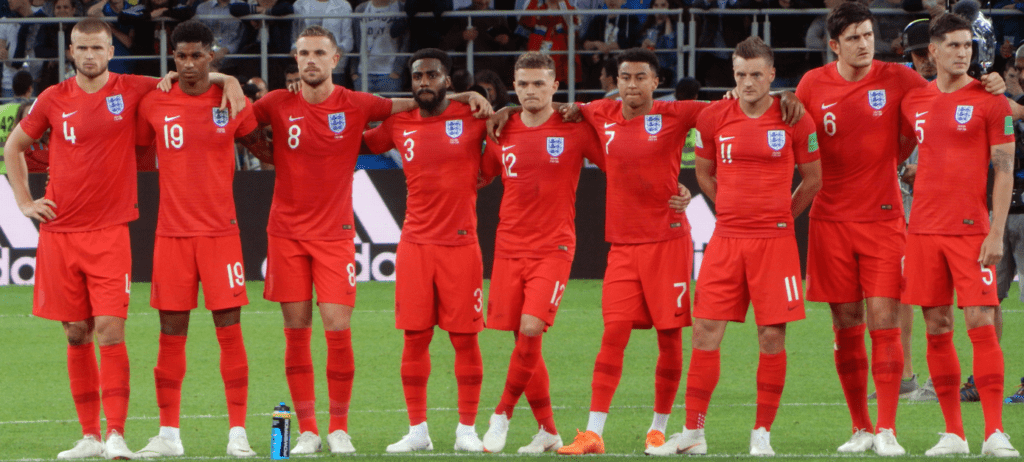
For years, penalty shootouts had become synonymous with England’s heartbreak.
From the pain of Italia ‘90 against Germany, to defeats at Euro ‘96 and the 1998 World Cup, England’s relationship with penalties had developed into a psychological burden carried by every new generation of players. The moment a knockout match drifted towards penalties, the expectation from fans and media alike was almost inevitable failure.
That narrative appeared ready to continue during England’s Round of 16 clash against Colombia at the 2018 World Cup.
After taking the lead through a Harry Kane penalty, England looked set to progress before Colombia equalised in stoppage time. The late goal shifted momentum entirely, and for many England supporters it felt painfully familiar.
However, Gareth Southgate’s side represented a different side of the nation. Rather than treating penalties as a curse, the squad had prepared extensively both mentally and tactically. His approach focused on removing fear and changing England’s mentality surrounding shootouts.
England remained composed when the match eventually went to penalties and with Eric Dier’s decisive kick, England secured their first ever World Cup penalty shootout victory. For the first time in generations, it felt like the team had finally overcome the psychological barrier that has haunted them for so long. The win represented recovery from decades of failure and the beginning of a new mentality within the national team.
Lionel Messi, 2022
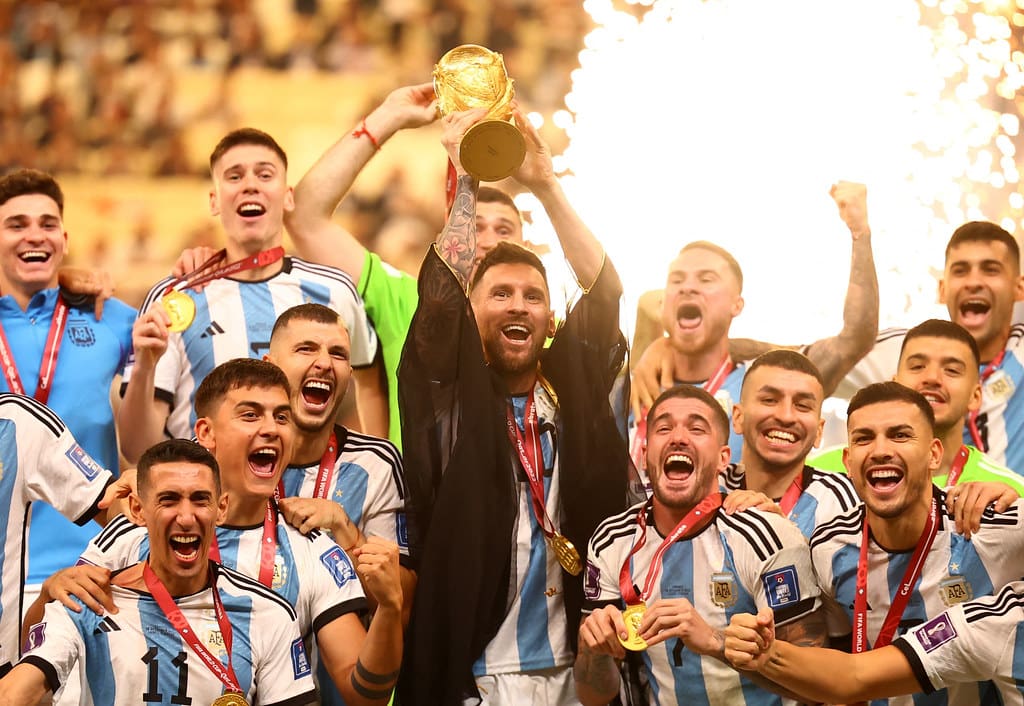
By the time the 2022 World Cup had arrived, Lionel Messi had achieved almost everything there is to offer in football. Yet despite his success at club level, one achievement continued to define the conversation surrounding his legacy: winning the World Cup with Argentina.
For years, Messi carried the weight of expectation from an entire nation. Their defeat in the 2014 final and consecutive Copa América finals created constant criticism. The pressure became so intense that Messi briefly retired from international football in 2016 following another painful defeat to Chile. Although he later returned and eventually guided the team to Copa América success in 2021, the World Cup remained unfinished business.
Argentina’s 2022 campaign began with a shock defeat to Saudi Arabia, immediately raising fears of another collapse. However, as the tournament progressed, Messi produced some of the finest performances of his international career.
His defining moment came in the final against France in what many consider the greatest World Cup final ever played. Argentina’s no.10 scored twice and converted his penalty in the shootout to lead them to World Cup success.
The image of Messi lifting the World Cup trophy symbolised redemption after years of criticism and heartbreak. For both him and Argentina, the victory represented the completion of a journey that had taken nearly two decades to achieve.
In many ways, the 2022 World Cup was not simply about winning football’s biggest prize, it was about coming back from the brink of failure and finally overcoming the pressure that had followed Messi through his career.
Belgium vs Japan, 2018
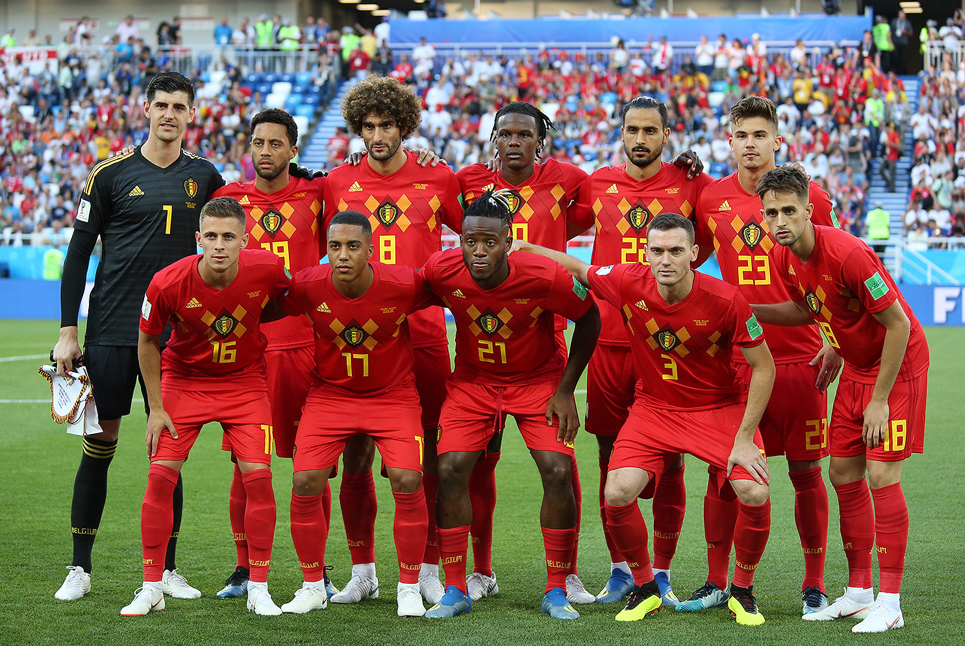
Belgium’s dramatic comeback against Japan at the 2018 World Cup remains one of the most remarkable knockout matches in modern tournament history. Expectations on the side were high and they were considered one of the favourites to win the tournament.
However, their game against underdogs Japan quickly turned into a nightmare.
Early in the second half, Japan stunned them with two quick goals leaving Belgium 2-0 down. At that moment, they faced a true test of mentality. Though, rather than collapsing under pressure, they responded with composure and belief. With just over fifteen minutes remaining, Belgium got their second and levelled the game, shifting the momentum completely.
As extra time approached, Belgium produced one of the greatest counter attacks in World Cup history, completing an extraordinary 3-2 comeback victory.
The match became symbolic of Belgium’s “golden generation” and their ability to respond under immense pressure. They proved resilience and mentality often matter just as much as technical ability and it became one of the greatest moments in the Red Devils’ history.
Andrés Iniesta, 2010
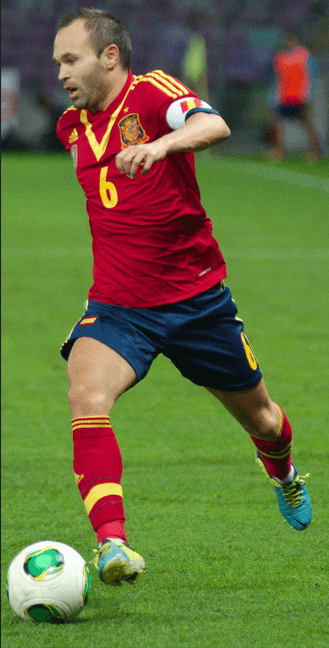
Iniesta’s defining moment at the 2010 World Cup was about far more than football.
Widely regarded as one of the most technically gifted midfielders of his generation, he entered the tournament carrying significant emotional pain following the death of his close friend and fellow footballer Dani Jarque in 2009. Captain of Espanyol at the time, Jarque passed away suddenly from a heart attack during pre-season training at just 26-years-old. The tragedy deeply affected Iniesta, who later admitted he struggled mentally in the months that followed.
Despite his grief, he remained a central figure in Spain’s side as they attempted to win the World Cup for the first time in their history.
The key moment arrived in the 2010 final against the Netherlands. The match was locked at 0-0 deep into extra time and penalties loomed. Iniesta received a pass inside the box before calmly striking the ball into the corner of the net. His goal instantly became one of the most iconic moments in football history.
It was his celebration that made the moment truly unforgettable. After scoring, Iniesta removed his shirt to reveal the message: “Dani Jarque, always with us.” The goal was not simply about winning the World Cup, but overcoming personal grief on the biggest stage.
The story remains one the most emotional examples of resilience in World Cup history, showing how sport can become a source of healing, remembrance and recovery.