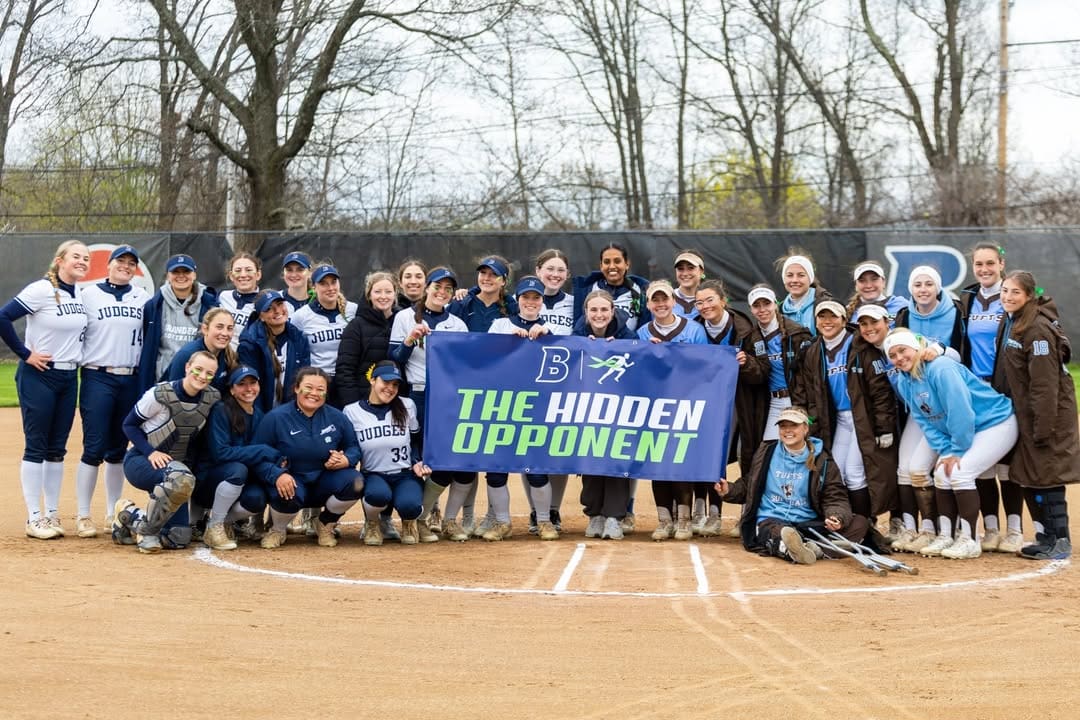
After experiencing the challenges of college sport herself, Amy Schwem now helps athletes navigate the realities behind the jersey through The Hidden Opponent, an organisation dedicated to breaking stigma and building support networks.
The Hidden Opponent (THO) is a non-profit organisation that provides support and education for athlete mental health, first founded in 2019 by Victoria Garrick Browne.
Their board of directors includes accredited stars such as rugby legend Ilona Maher and two-time olympic gold medallist Natasha Hastings, using their personal experiences to create insightful and tailored advice.
Amy Schwem, Media and Marketing Manager, has worked with the company for six years. Starting out as a student athlete and now a member of staff, she has first hand experience of how important and impactful the company has been for young athletes.
“Unfortunately the percentage of student athletes that are struggling is rising,” she says. “Often as an athlete you are told that you have to be tough and that gets correlated with not being allowed to show emotion or go through things.
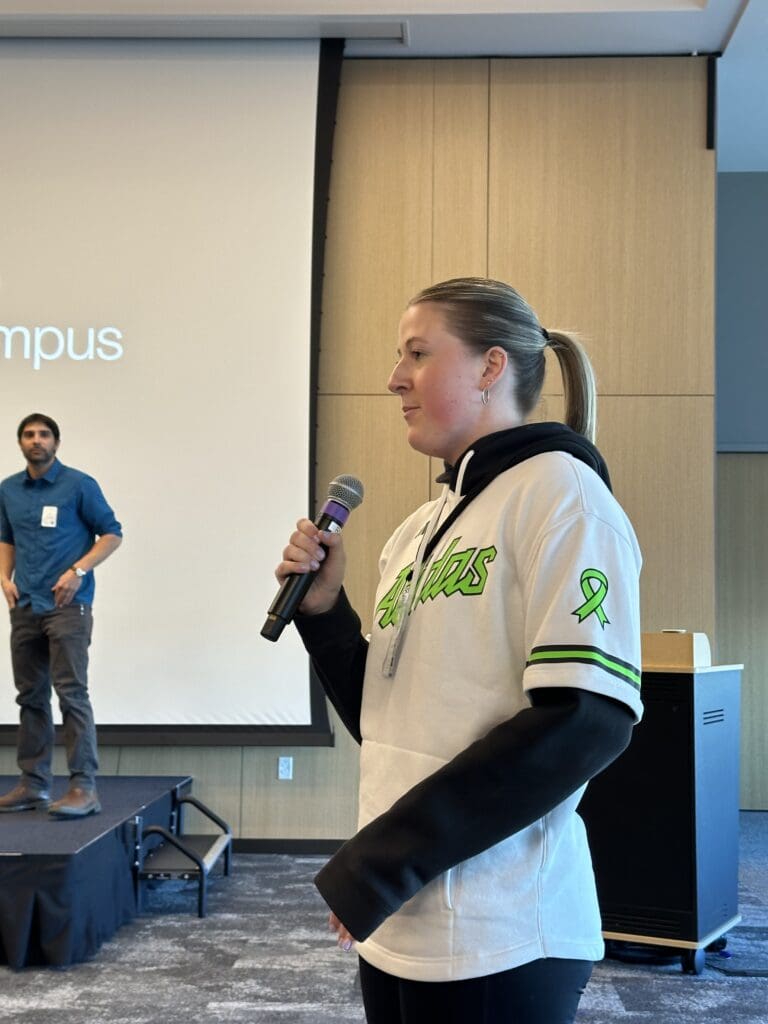
“People forget athletes are humans before they’re athletes and there’s a person behind the number on the jersey.”
Schwem grew up playing a multitude of sports but played volleyball seriously in college. As a D1 athlete she was able to go through THO programme and get first hand support.
“I was such a perfectionist and I had such big goals to chase so I definitely experienced some mental challenges on and off the court,” Schwem says.
“I think making the transition to college presents so many different factors that people don’t necessarily talk about. I was 13 hours away from home, I was on a new team playing against girls four years older, the game changed. It was a new environment, the pressure and the stakes were higher.”
Schwem faced injury and setbacks throughout her time as an athlete allowing her to relate to the issues clients face on a personal level.
“I tore my achilles going into my senior season and there happened to be another campus captain (THO student ambassador) who had torn hers, so we leaned on each other throughout our recovery journeys.”
Giving advice to other athletes, Schwem says: “Don’t be afraid to talk about struggles that you have. We aren’t meant to face life alone, we aren’t meant to deal with life’s hardships alone and that applies to your mental health as an athlete as well.
“Community can be so helpful. At THO we have group chats connecting people who have had career ending injuries or their season has ended so they know they aren’t alone.
“Your mental health is going to be with you for life and there’s going to be ups and downs and the tools we equip student athletes with are something they can carry with them forever.”
Conversations around mental health are improving but Schwem says there is more work to be done.
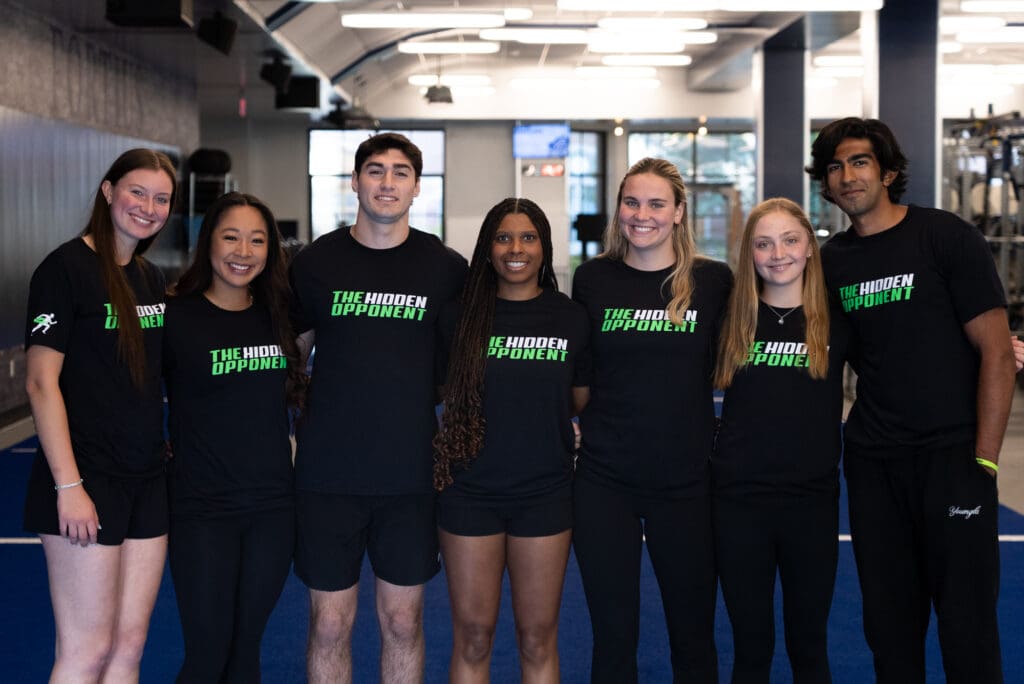
“It’s not enough to just say ‘it’s okay not to be okay’ or ‘mental health matters’. Those are two factual statements but we need to put action behind those words and make sure athletes are feeling supported when they speak up about it.
“It’s been an integral part of our mission to remind people that athletes are also human and it’s normal for them to experience anxiety and they deserve the care and treatment to work through that as much as someone who’s not an athlete.”
THO works internationally in over 800 high schools and colleges to provide support for athletes and they are looking to continue expanding to more countries.
If you are an athlete seeking more support for issues discussed in this article, you can reach out via: https://www.thehiddenopponent.org/